5 Winter Weather Driving Tips to Help You Stay Safe
At Crash Champions, we believe in putting People First. Always. And with Winter Storm Fern on the way, set to impact 30+ U.S. states, we thought it would be the perfect time to remind folks of the helpful ways to take precautions and practice safe winter driving.
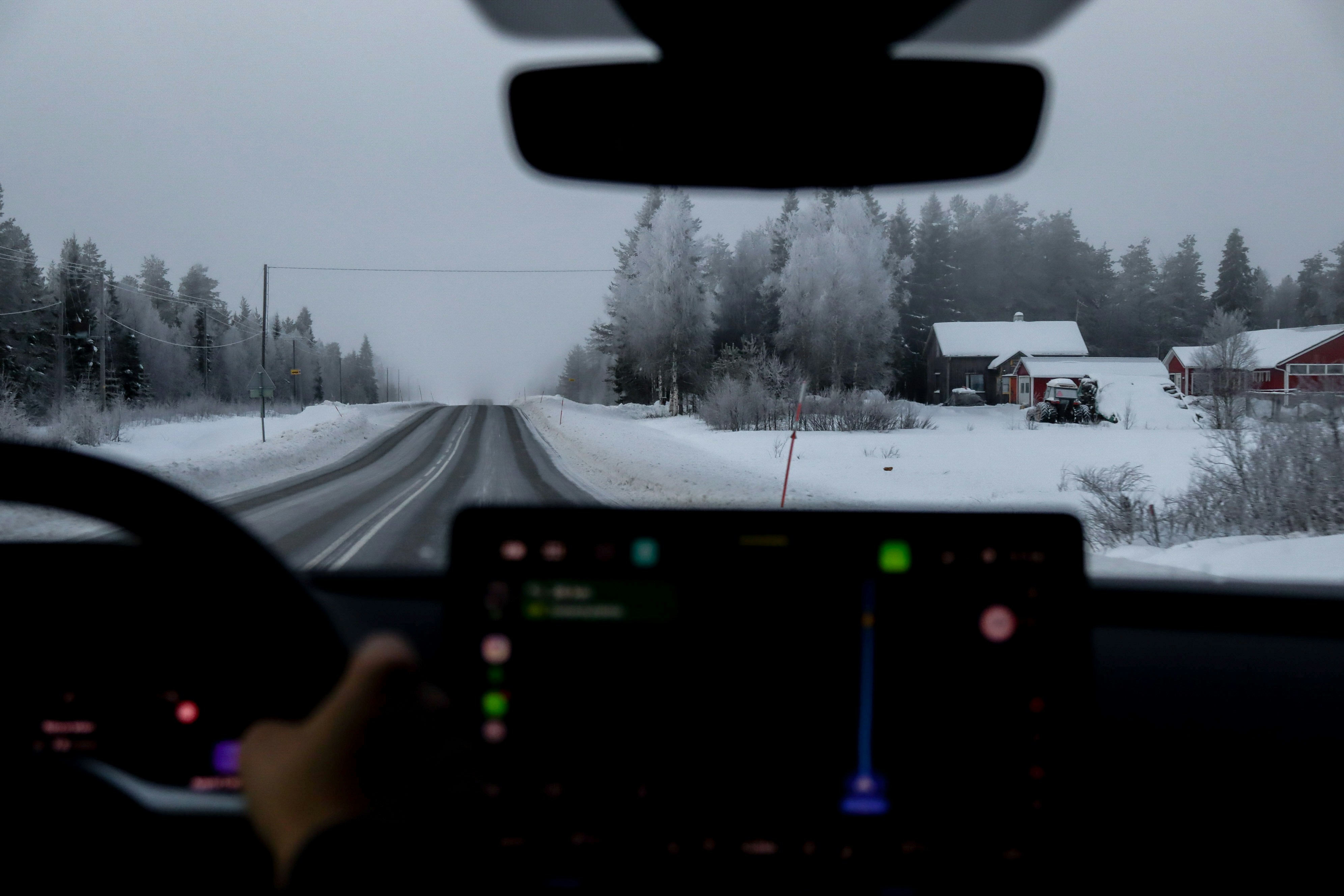
Winter driving presents unique challenges no matter where you live. From icy roads and reduced visibility to colder temperatures that impact vehicle performance, the season demands extra caution behind the wheel. Winter conditions can be unpredictable for even experienced drivers, which is why preparation and awareness are essential for staying safe.
According to the U.S. Department of Transportation’s Federal Highway Administration, 24% of weather-related vehicle crashes occur on snowy, slushy, or icy pavement, resulting in thousands of injuries and fatalities each year.
With a severe and far-reaching winter storm expected to move across the country this weekend, now is the perfect time to refresh your winter driving habits and ensure both you and your vehicle are taking precautions. Just a few proactive steps can help reduce road risks and keep you and your passengers protected in winter weather:
1. Prepare Your Vehicle Before the Storm Hits
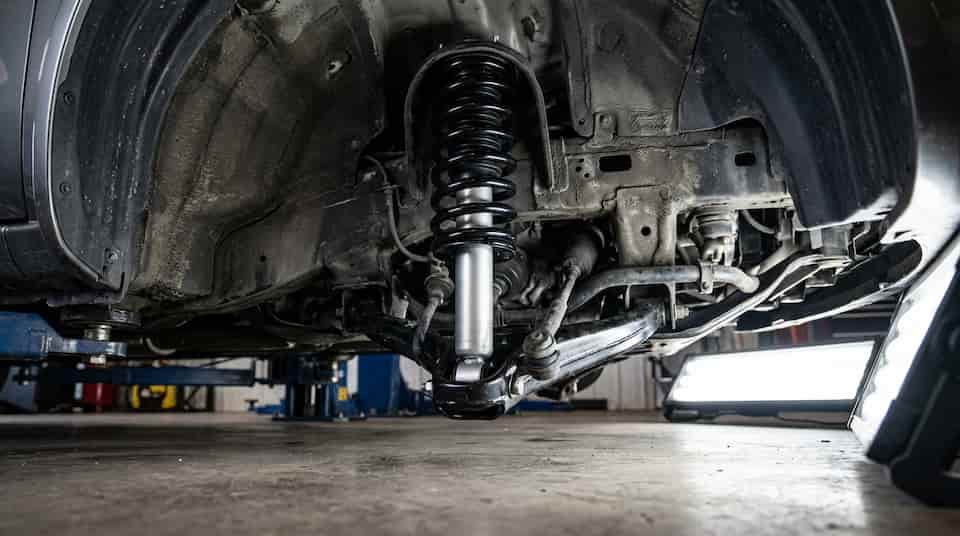
Winter driving safety starts before you turn the key. You can ensure your vehicle is ready for harsh conditions by:
— Checking your tires for proper tread depth and tire pressure. Underinflated or worn tires reduce traction on icy roads.
— Test your battery strength. Cold temperatures can weaken batteries, increasing the risk of breakdowns.
— Top off your winter-grade windshield washer fluid and confirm your antifreeze levels are adequate.
— Inspect lights and wipers for maximum visibility, which is critical during winter storms. If needed, replace worn wiper blades and ensure all lights are functioning properly.
2. Keep an Emergency Kit in Your Car
If travel is unavoidable, pack a winter emergency kit in case you get stuck or delayed, including essential items like:
— Blanket, gloves, hat, and extra warm clothing
— Flashlight with extra batteries
— Ice scraper and small shovel
— Phone charger or power bank
— Bottled water and non-perishable snacks
3. Slow Down and Increase Following Distance
Speed limits are designed for ideal conditions, not snow-covered or icy roads. When winter weather strikes, be sure to:
— Reduce your speed significantly
— Increase following distance to at least 8–10 seconds
— Brake gently to avoid sliding
— Accelerate slowly to maintain traction
Remember: four-wheel drive helps with acceleration, but it does not improve braking on ice.
4. Monitor for Black Ice and Reduced Visibility
Black ice is hazardous because it’s nearly invisible. Be extra cautious:
— On bridges, overpasses, and shaded roadways
— During early morning or nighttime hours
—When temperatures hover near freezing
If visibility drops due to blowing snow or freezing rain, turn on your headlights and avoid sudden movements.
5. Avoid Unnecessary Travel When Possible
The safest option during severe winter storms is to stay off the roads entirely. If local officials issue travel advisories or warnings, take them seriously. Delaying trips, even by a few hours, can significantly reduce your risk of an accident.
Even with precautions, winter storms can unfortunately still lead to unexpected collisions. If you find yourself dealing with an accident, remember to:
— Get to a safe location and contact emergency services if needed
— Document the damage with photos
— Reach out to your insurance carrier
Winter storms demand patience, preparation, and caution. By planning ahead and adjusting your driving habits, you can help protect yourself, your passengers, and everyone sharing the road.
From all of us at Crash Champions, we wish you and your loved ones a safe and healthy winter season, both on the roads and off.