How to Buy a Used Car: A Complete Buyers Guide
Buying a used car can help you save money, but it can also set you back if you don't do your due diligence. Use the guide below to avoid the pitfalls of buying a used car so you can be more confident in your decision.
How to Buy a Used Car: A Step-by-Step Guide
Buying a used car involves several important steps, from setting a budget to negotiating the final price. The more research you can do before you buy a used car, the better positioned you are to make a smart decision. Educating yourself on the steps and responsibilities involved can help you approach the task with more confidence. A solid strategy can also help you avoid becoming a victim of car scams.
Review Your Finances
Many people start their car-buying journey by looking at cars and stretching their budget to fit the vehicles they like. However, the opposite approach almost always works out better in the long run. Take an inventory of your financial status to determine how much you can afford to spend on your car each month without dipping into savings.
The amount you can spend monthly on a car shouldn't all go to your monthly payment. Instead, you should budget for additional expenses, including those that could pop up unexpectedly. For example, you might budget for the following car-related expenses as you explore your finances:
- Car insurance
- Parking
- Fuel
- Tolls
- Maintenance and repairs
- Taxes
- Titling
- Transfer fees
- Registration
Warranties can also drive up the price of a vehicle, especially if you opt for extended warranties through a dealership. If you don't pay for the warranty outright, the lender will automatically roll that amount into your total due, which increases your monthly payments. It's also a good idea to check your credit report and score if you plan on getting an auto loan.
Determine Where and How You'll Purchase a Car
Once you know how much car you can afford, it's time to hit the pavement. Look around at your local car dealerships and online to see what's available. Determine if you want to purchase a used car from a dealership, online, or through a private party.
Each source has its pros and cons, depending on what you're looking for. Car dealers tend to have greater inventory, but you can find more unique vehicles online or through a private party. Consider if you want to trade in your existing car, if you have one.
If you are determined to pay for a vehicle with an auto loan, start shopping around to see what rates you qualify for. Waiting until you're ready to apply for an auto loan with a particular vehicle in mind can help minimize multiple credit pulls. If you're unable to qualify for a car loan, continuing any further would be difficult at this point.
Research Your Top Picks
Many prospective car buyers have an idea of what they're looking for in their first or next used car. Sit down and create a list of features you desire, along with features you could compromise on if necessary. Once you've narrowed down your options, you can start looking for vehicles that match those requirements.
As you research various makes and models, check out the National Highway Traffic Safety Administration (NHTSA), the federal agency responsible for vehicle safety standards and recall information. This resource can tell you if the vehicle make, model, and model year you're considering has any existing recalls or complaints. Include the car's market price, resale value, and safety ratings in your research as well.
Find Local Candidates
As you start looking at vehicles in person, check the vehicle history report and verify if the car has been reported stolen using the car's Vehicle Identification Number (VIN), a unique 17-character code assigned to every vehicle. In addition to vehicle history reports, request the service records for vehicles you're heavily considering. Schedule a test drive and examine the car carefully, noting any repairs necessary to help you finalize a deal if it's the car you want to negotiate on.
Obtain a Pre-Purchase Inspection (PPI)
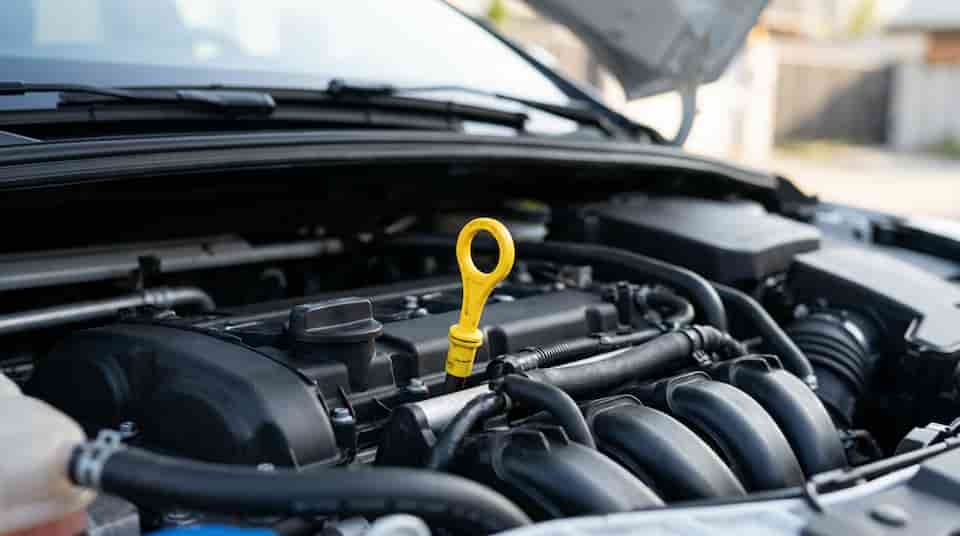
A pre-purchase inspection (PPI) is an independent mechanical evaluation of a used vehicle performed before you finalize the sale. If you're unsure about the condition of the vehicle you're considering, obtain a PPI and carefully review the results. Determine what repairs are a deal-breaker and which will require little downtime or investment. In many cases, you can also use the PPI results as a bargaining chip during negotiations.
Negotiate and Review the Terms
Once you've settled on a vehicle, begin the negotiations using what you've learned about the car. Get everything in writing and review it multiple times before signing on the dotted line. Obtain copies of all paperwork for your records.
Pitfalls to Avoid When Buying a Used Car
Every used car purchase looks slightly different. It might take a little longer, or less time, for you to find the used car that fits your criteria, budget, and preferences, but the end goal remains the same. However, there are a few pitfalls you should attempt to avoid if at all possible:
- Buying a used car with a salvage, junk, or rebuilt title and finding out later how difficult these vehicles can be to insure.
- Dismissing the fact that anything that seems too good to be true probably is, regardless of how desirable it makes the vehicle.
- Not test-driving the vehicle before you pay for it or finalize any deals.
- Skipping a vehicle inspection, especially if your reasoning is that it's an additional expense on top of the cost of the vehicle.
- Taking the first loan terms offered to you without shopping around for more competitive rates.
- Paying for the vehicle without reviewing the service records and verifying the work stated has been completed.
The bottom line is that you should trust your gut instincts and consider your decision carefully before proceeding too swiftly when buying a used car. Buyer's remorse is a real thing that can sting even more if you're still new to the experience. Talk your decision over with a loved one or trusted friend before you finalize your purchase.
Frequently Asked Questions
What should I check before buying a used car?
Before buying a used car, review the vehicle history report using the VIN, request service records, check for open recalls on the NHTSA website, and schedule a pre-purchase inspection with an independent mechanic. You should also verify the title status to make sure the vehicle is not salvage or rebuilt.
Is it safer to buy a used car from a dealership or a private seller?
Both options have trade-offs. Dealerships typically offer more inventory, may provide limited warranties, and handle some of the paperwork for you. Private sellers can sometimes offer lower prices, but you take on more responsibility to verify the vehicle's condition, history, and title status on your own.
How much should I budget beyond the purchase price of a used car?
Plan for ongoing costs including car insurance, fuel, maintenance, registration, taxes, and potential repairs. A good rule of thumb is to ensure your total monthly vehicle costs, including your payment, insurance, and maintenance, do not stretch your budget beyond what you can comfortably afford.
Start Your Next Chapter on the Road
Now that you know more about how to buy a used car, it's time to find your next ride. Use the steps above to guide your path in finding the right vehicle to get you where you want to go. If your used car ever needs collision repair or bodywork down the road, find your local Crash Champions for a free estimate.
The information in this article is provided for educational purposes and may not reflect every situation. While we strive for accuracy, this content is general guidance, not a substitute for visiting your local collision repair provider. For questions about your specific vehicle or repair needs, contact your local Crash Champions team.