How to Properly Maintain Your Car's Transmission
Your car's engine and transmission are two of the most expensive components to repair or replace. The engine generates power, and the transmission transfers that power to the wheels. Neglecting your car's transmission can lead to significant repair costs and extended downtime, but a few simple habits can help extend its life. This guide covers practical methods you can use to maintain your car's transmission and keep your vehicle running smoothly.
Why Is Maintaining Your Car's Transmission Important?
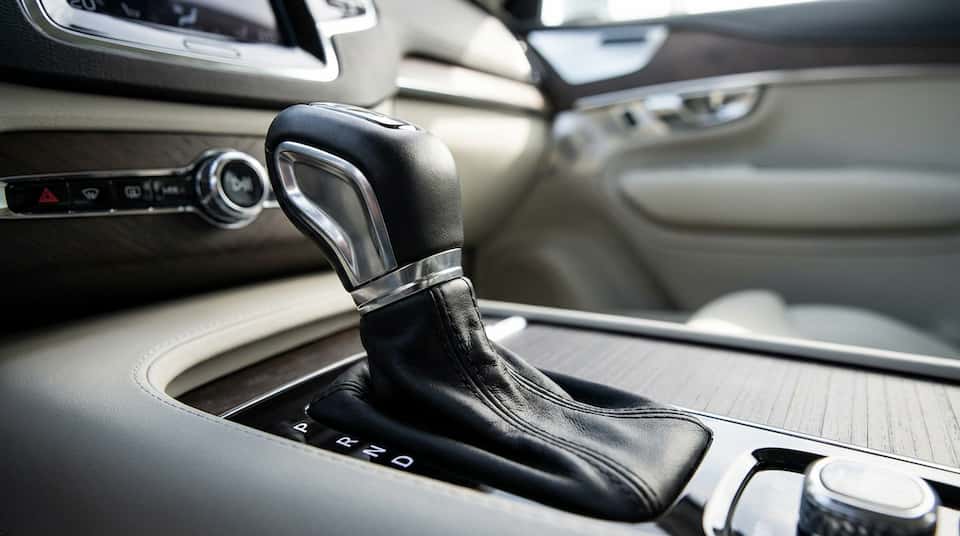
Your car's transmission is the critical link between the engine and the wheels, responsible for converting engine power into the motion that moves your vehicle forward. The transmission works alongside your engine and suspension to deliver smooth, controlled driving. Vehicles that weigh more typically require a more robust transmission to handle the extra load and additional engine power. For example, the transmission in a semi-truck is significantly larger than the one found in a compact sedan.
A healthy transmission also contributes to better fuel economy. When your vehicle shifts gears smoothly, whether you drive a manual transmission or an automatic, your entire powertrain (the system of components that delivers power from the engine to the wheels) operates more efficiently. If you hear grinding or feel rough shifts, it may be time for transmission repairs or even a full replacement.
Proper transmission maintenance helps your drivetrain stay strong long before catastrophic failure becomes a concern. Without regular upkeep, transmission components wear down faster and can cause additional damage to your engine and suspension. While a rebuilt transmission can perform as well as a factory-installed unit thanks to more robust replacement parts, your goal should be to have your transmission reach its full expected lifespan rather than fail prematurely from neglect.
How to Maintain Your Car's Transmission
Maintaining your car's transmission involves regular tune-ups, routine fluid checks, smooth driving habits, and prompt attention to any warning signs. By building these habits into your vehicle care routine, you can help extend the life of your transmission and avoid costly repairs down the road.
Regularly Check Your Transmission Fluid Level
Checking your transmission fluid is one of the most important steps you can take to protect your transmission. Transmission fluid lubricates and cools the gears inside the housing. Healthy fluid appears red and translucent. If your fluid looks dark or rusty, or if you notice small metal particles in it (a sign that internal gears may be grinding against each other), it is time to visit a repair shop. Like engine oil, transmission fluid breaks down over time, so checking and replacing it at regular intervals helps maintain the longevity of your transmission.
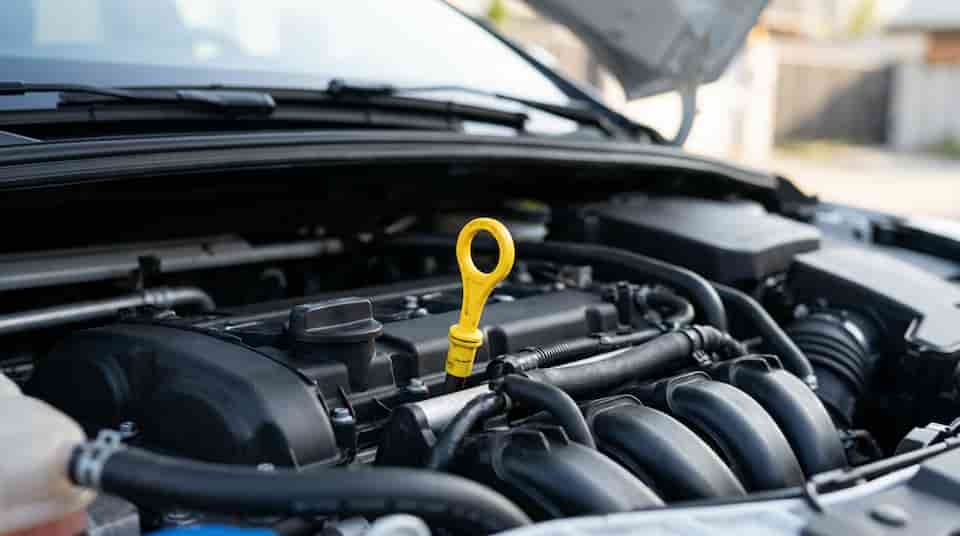
To check your transmission fluid, locate the dipstick on the transmission housing. Some vehicles do not have a transmission dipstick because the unit is sealed from the factory. In that case, you will need a dealership or mechanic to perform a fluid inspection.
If your car does have an external dipstick, turn the engine on and check the fluid the same way you would check your engine oil. Fluid that smells sweet and looks translucent is in good condition. However, if it appears discolored or smells foul, it is time to replace it. Consult your owner's manual for the correct transmission fluid type if you plan to do a flush yourself, and replace the transmission filter at the same time.
Avoid Transmission Overheating
Overheating is one of the most common causes of premature transmission failure. Towing too much weight behind your vehicle can strain the transmission gears by generating excessive heat within the housing and the lubricating fluid. Even towing within your vehicle's rated capacity can cause damage on a hot day if you ignore the engine temperature gauge. Running at high temperatures can burn and oxidize your transmission fluid, risking damage to internal components and potentially leaving you stranded.
Shift Slowly and Smoothly
Your car's transmission is designed to shift gears while you drive, but abrupt or rough shifting is not normal operation. Allow your vehicle to shift intentionally and avoid sudden starts, hard stops, and erratic driving that forces harsh gear changes. When possible, try to avoid stop-and-go traffic. If you cannot avoid it, consider putting your vehicle into a lower gear to minimize wear and tear on the transmission.
Replace Your Spare Tire as Soon as Possible
There is never a convenient time to get a flat tire, but how long you drive on your spare can affect your transmission. A spare tire's smaller size creates a difference in wheel rotation speed compared to your other tires, and that imbalance places extra strain on your transmission and differential. Limit your speed while driving on a spare and swap it out for a full-size tire as quickly as you can to reduce stress on these critical components.
Schedule Regular Tune-Ups
Keeping up with overall vehicle maintenance helps your transmission perform at its full potential. Your engine's cooling system also lowers the transmission fluid temperature, so maintaining the cooling system directly supports transmission health. Regular transmission fluid flushes typically remove only about half the fluid in the system, so scheduling a complete transmission fluid replacement periodically can give your transmission the full benefit of clean fluid.
Promptly Diagnose and Address Transmission Problems
Over time, your car's transmission will naturally wear down as you put thousands of miles on the odometer. If you notice any new issues, especially a check engine light, have them inspected as soon as possible. Warning signs include difficulty shifting gears, grinding or rattling noises during shifts, and anything else that feels out of the ordinary. Catching a potential problem early can limit the damage and save you money, since even a transmission rebuild costs less than a complete replacement.
Frequently Asked Questions
How often should you change your transmission fluid?
Most manufacturers recommend changing your transmission fluid every 30,000 to 60,000 miles, but your owner's manual has the most accurate schedule for your specific vehicle. If you frequently tow heavy loads or drive in stop-and-go traffic, you may need to change it more often.
What are the signs of a failing transmission?
Common warning signs include difficulty shifting gears, grinding or rattling noises during shifts, a burning smell from transmission fluid, fluid leaks under your vehicle, and a check engine light on your dashboard. If you notice any of these symptoms, have your vehicle inspected promptly to prevent further damage.
Can you drive with low transmission fluid?
Driving with low transmission fluid is risky and can cause overheating, rough shifts, and accelerated wear on internal components. If you suspect your fluid is low, check the dipstick (if your vehicle has one) and top it off with the correct fluid type specified in your owner's manual. If the fluid level drops consistently, have a professional check for leaks.
Protect Your Car's Transmission With Routine Maintenance
Building transmission maintenance into your regular vehicle care routine helps keep your entire drivetrain working the way it should. By monitoring fluid levels, driving smoothly, and addressing warning signs early, you can avoid the steep cost of replacing a manual or automatic transmission and keep your car running reliably for years to come.
If your vehicle has been in a collision and you are concerned about transmission or drivetrain damage, the team at Crash Champions can help. Find your nearest Crash Champions location to schedule a free estimate.
The information in this article is provided for educational purposes and may not reflect every situation. While we strive for accuracy, this content is general guidance, not a substitute for visiting your local collision repair provider. For questions about your specific vehicle or repair needs, contact your local Crash Champions team.