How to Protect Your Car From Salt and Rust
Many elements on the road can damage your vehicle, from sharp debris that punctures tires to kicked-up rocks that ding windshields. However, salt and rust can cause serious, long-term damage to your vehicle's body and value. If you're concerned about your car's condition degrading due to salt and rust, the guide below introduces the steps you can take to keep your vehicle safe from both threats.

What Is Road or Rock Salt?
Road salt is sodium chloride (rock salt) or magnesium chloride applied to highways during winter to melt ice and improve traction. Highway maintenance crews spread it across roads to help drivers navigate safely in freezing conditions.
According to the Environmental Protection Agency (EPA), salting the roads benefits commuters, but the salt itself can also be harmful. Salt can affect wildlife, drinking water, soil, public property, and automotive paint. Magnesium chloride has less of an impact on the environment, but it can still damage your vehicle if left on the paint.
How Does Rust Form?
Rust forms when iron or steel components on your vehicle are exposed to water and oxygen, triggering a chemical reaction called oxidation. Since many of your car's components are metal, rust can occur when bare metal comes into contact with water as you drive. Salt accelerates this process by breaking down protective coatings and holding moisture against the metal surface.
Outside of the winter months, salt typically comes into contact with vehicles that travel near the ocean. If road debris like small pebbles chip away the paint on your car, the salt and moisture in the air can promote rust on these patches of bare metal. Many vehicles from the East and West Coasts have rusted undercarriages that can degrade the car's value.
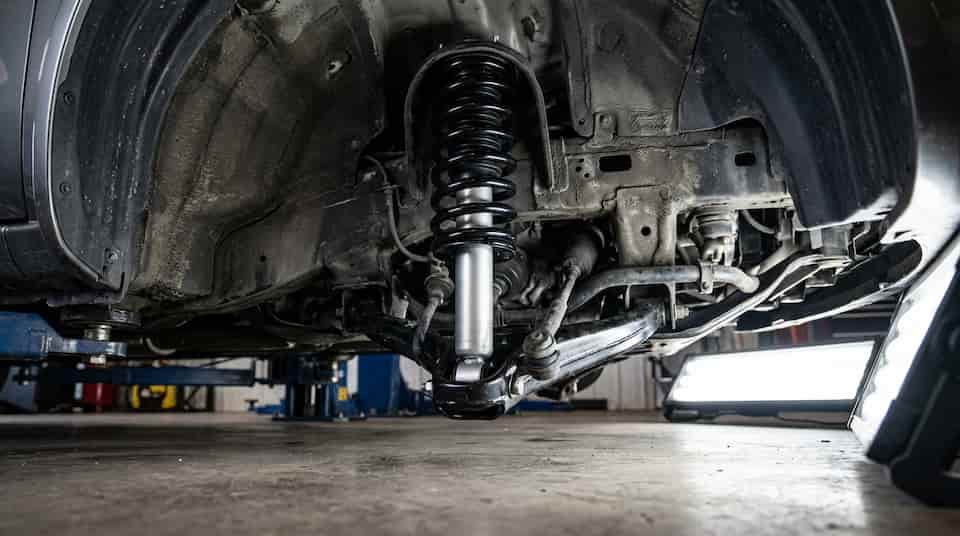
Humidity and moisture from ice, heavy snow, or severe thunderstorms can also cause rust. Water can seep into small cracks and cause the bare metal within to corrode. Once rust takes hold, it can spread quickly. Some of the most common locations where rust appears include doors, wheel rims, floor pans, exhaust pipes, and suspension components.
Rust Stages
1. Surface Rust
Rust often begins as superficial surface rust. If bare metal is exposed to water, rust will appear over time. You can address surface rust fairly simply by removing what has already formed and then sealing the bare metal to prevent further corrosion.
2. Scale Rust
The next stage is characterized by a rough, flaking scale that forms on the metal. Scale rust can bubble automotive paint from beneath, separating the paint from the metal. Removing the rust and sealing the metal at this stage will help prevent further damage, but the repair requires more effort than surface rust.
3. Penetrating Rust
In its final stage, rust penetrates through metal and corrodes it entirely. You can identify penetrating rust by the way the metal disintegrates with only the slightest pressure. When rust reaches this stage, the affected metal typically needs to be cut out and replaced.
How to Protect Your Car From Salt and Rust
Short of avoiding winter driving altogether, you can use the following tips to prevent your car from rusting due to moisture or road salt damage. Although older vehicles are more prone to rust, brand-new cars are just as susceptible.
Visit Car Washes Often
You might not think of visiting the car wash when temperatures are below freezing, but it's one of the most effective things you can do for your car's exterior. Even a quick rinse with a garden hose is likely enough to ward off rust for the moment. However, a full scrub and rinse will do a thorough job of removing all the road salt built up on your car's undercarriage, paint, and wheel wells.
If you have a few months before the snow starts to fly and the road salt hits the ground, consider waxing your car. With regular applications every three to six months, a good coat of car wax can help repel road salt and prevent rust to keep your car's body looking new. It's also a great way to protect your car's overall value.
Avoid Puddles and Deep Snow
Sometimes the desire to plow through deep snow piles with a four-wheel drive or all-wheel drive vehicle can be overwhelming. However, you should avoid driving through any deep snow or large puddles, as the moisture can seep into hard-to-reach areas and promote rust. It's also a good idea to steer clear of snow plows when they're on the road, as they apply the salt you're trying to avoid.
Keep Your Car Covered When Not in Use
Protecting your car from the elements can prevent road salt and moisture from promoting rust on any bare metal. If you plan on parking your car for the winter season, store it in dry conditions at all times. Otherwise, a covered carport or garage makes a good substitute if you plan on driving your car all winter.
Clean and Seal Exposed Metal
Protecting exposed metal before it contacts moisture can help prevent rust at the source. Rust inhibitors, often used on the undercarriage, create a layer between the bare metal and any oxygen. If you find existing rust, you can sand it down and treat small spots with a rust converter.
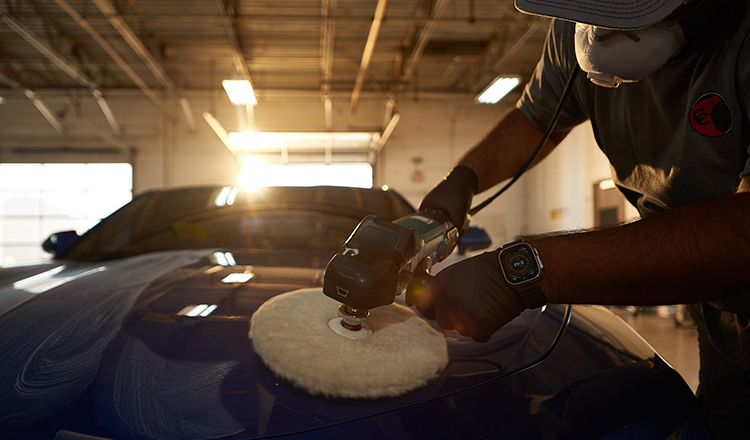
Although paint chips can seem minor, they're also an open door for rust. Seal paint chips with touch-up paint and a clear coat, or have a professional collision repair shop like Crash Champions repaint the panel. Ceramic coating can also help protect paint by creating a barrier between the car's surface and the surrounding environment.
Protect Your Car's Paint From Salt and Rust
Caring for your car's exterior requires the same dedication as keeping up with routine maintenance. Catch rust from salt and water exposure early to limit its effect on your car's paint. A proactive approach goes a long way in protecting your vehicle's value for years to come, regardless of where you live.
If salt or rust has already damaged your vehicle's paint or body panels, Crash Champions can help. Our certified technicians handle everything from paint scratch repair to full collision restoration, and every repair is backed by a written lifetime guarantee. Find your nearest Crash Champions location to get a free estimate.
Frequently Asked Questions
Does road salt cause rust on cars?
Yes. Road salt accelerates rust by breaking down your vehicle's protective paint layer and exposing bare metal to moisture and oxygen. Washing your car regularly during winter months is one of the most effective ways to prevent salt-related corrosion.
What are the stages of rust on a car?
Rust progresses through three stages: surface rust, scale rust, and penetrating rust. Surface rust is cosmetic and easy to treat. Scale rust bubbles paint from beneath. Penetrating rust corrodes metal entirely and typically requires professional repair or part replacement.
How do I stop rust from spreading on my car?
Remove existing rust by sanding the affected area, then apply a rust converter or inhibitor to seal the bare metal. For paint chips that expose metal, use touch-up paint and a clear coat to prevent moisture from reaching the surface.
The information in this article is provided for educational purposes and may not reflect every situation. While we strive for accuracy, this content is general guidance, not a substitute for visiting your local collision repair provider. For questions about your specific vehicle or repair needs, contact your local Crash Champions team.