5 Tips to Prepare for Your Driving Test
Your driving test, road test, behind-the-wheel test, road exam, or driver's license test: each of these names describes the same on-the-road exam all drivers in the United States must pass before they receive their driver's license. The DMV driving test can feel stressful, but the right preparation makes all the difference. If you take the time to learn how to prepare for your driving test and take your studies seriously, a pass is likely in your future.
How Do Driving Tests Work?
A driving test is a 20- to 30-minute on-road exam administered by your state's Department of Motor Vehicles (DMV), or your state's equivalent agency such as the Department of Public Safety (DPS) in Texas. The test evaluates your ability to safely operate a vehicle before issuing a driver's license.
Although the minimum age at which you can take your driving test differs between states, you can typically take the test if you've met one or more of the following qualifications:
- Celebrated your 16th birthday
- Obtained your learner's permit
- Practiced for the specified number of required hours
- Completed the graduated driver's license (GDL) program
- Met additional requirements for new drivers in your state or your previous state of residence
Prospective drivers may also have to complete a written or computerized test before moving on to the driving test. These written questions test your knowledge of traffic laws and safety regulations, which are covered in study booklets provided by most state DMVs.
Most people take the driving test when they're young, but you may also need to retake the test if your license was suspended or revoked, you've reached a certain age, or your license remained expired for a long time.
What Does Your Driving Test Include?
During your driving test, an instructor evaluates your ability to perform key maneuvers like parallel parking, lane changes, three-point turns, and obeying traffic signs and signals. The full list of evaluated actions typically includes:
- Reversing
- Completing a three-point turn
- Changing lanes
- Safely navigating through an intersection
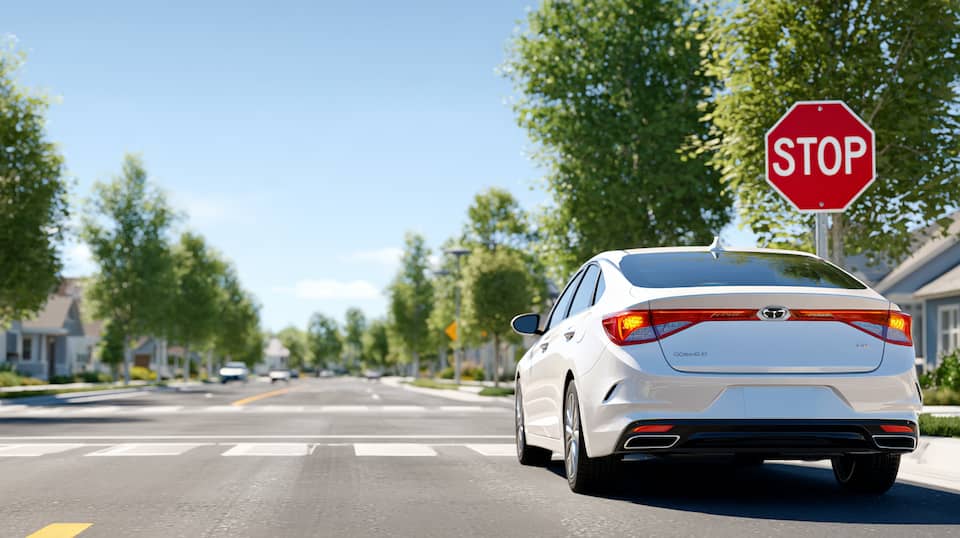
- Coming to a complete stop at a stop sign or red traffic light
- Signaling for and completing left and right turns
- Merging onto and exiting the highway
- Allowing for a safe following and braking distance
- Accelerating and braking smoothly
- Handling the steering wheel properly
- Parking parallel
- Executing a safe and legal U-turn
- Obeying the speed limit signs, traffic signs, and road markings
- Scanning side and rearview mirrors and blind spots
You may need to complete additional tasks not listed above due to the varying testing requirements from state to state.
5 Tips to Prepare for Your Driving Test
Preparing for your driver's license test can be nerve-wracking. Use the driving test tips below to help calm your nerves and establish the muscle memory and driving attitude that will keep you safe on the road for years to come. Remember, no driver is perfect, but every driver should be safe.
1. Schedule and Prepare for Your Driving Test Appointment
Most DMVs allow you to schedule a driving test online or by calling in. Although you're limited to what's available, choosing a time that works for you can help. For example, if you prefer to get the test out of the way in the morning, ask for an earlier spot if possible.
Bring your learner's permit, vehicle registration, proof of insurance, and proof you completed the specific required number of driving hours to your appointment. Your parent or guardian must accompany you as well. If you fail your driving test, they must legally drive you home since you don't have a license.
Plan to arrive about 15 minutes before your appointment to square away any paperwork and settle your nerves before your test begins. Wear any corrective lenses you need to adequately see the road ahead. Bring your supporters to cheer you on and keep you focused.
2. Prepare Your Vehicle for the Driving Test
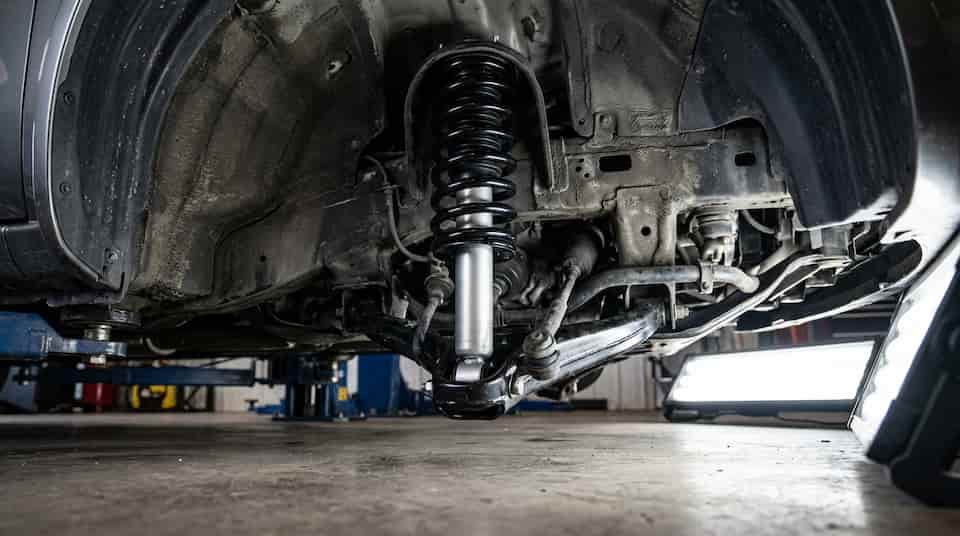
Since you'll use your own car for the driving test, get familiar with it and make sure it's working properly. Check the headlights, taillights, brake lights, turn signals, reverse lights, and hazards. Make sure the windshield is free from cracks (especially in your line of sight), the tires are aired to the proper pressure rating, and the car has a full gas tank.
3. Practice, Practice, Practice
Since you'll drive near the DMV area, practice your driving skills there to familiarize yourself with the surroundings. Practice turning on your windshield wipers, turn signals, and hazards. Check your mirrors and operate the parking brake. Review what technology you can use (such as backup cameras) and practice your ability to gauge response times for yellow traffic lights.
4. Set Your Expectations
You don't have to get a perfect score to pass your driving test. Instead, it's about getting most of the actions correct and staying safe. Study with online practice tests for the written part and practice with friends, family, or a driving school on the behind-the-wheel section. Do your best and focus on what you can control.
5. Maintain Control of Yourself and the Vehicle
Before the drive test begins, ask the driving instructor anything you need to know before getting behind the wheel. Take your time and focus first on driving the vehicle safely rather than completing a task as soon as it's given to you. If at any point you feel unsafe or need to discuss something more in-depth with the instructor, pull over at the next safest opportunity.
Although it may be tempting, avoid glancing down at the clipboard where the driving instructor is taking notes. Latch your seatbelt, and avoid exceeding the posted speed limit, causing an accident, or failing to yield to another vehicle, as they'll result in automatic failure. Don't let the steering wheel slide in your hands, and turn into the correct lane that matches the direction you're turning before signaling to change lanes.
What Happens After Your Driving Test
If you've passed your driving test, the instructor will initiate processing your paperwork. Someone will take your picture and issue you a temporary license until your driver's license arrives in the mail. The driver's license you receive is restricted, meaning you can only drive during certain hours of the day and with restricted passengers. Contact your local DMV for more information.
What to Do if You Fail Your Driving Test
If you fail your driving test, most DMVs require you to wait a set period before retaking it. Use that time to review what you struggled with and come back stronger for a second chance. Ask any questions you have to better prepare for your next testing session.
The Road Beyond Your Driving Test
As exciting as it can be to pass your road test, remember what you've learned as you studied for it each time you get behind the wheel. Those lessons will serve you well in navigating situations you're bound to encounter while on the road. If you plan on going after your motorcycle endorsement to legally ride motorcycles, those same lessons apply, and then some.
Whether you just passed your driving test or you've been on the road for years, Crash Champions is here when you need us. Find your nearest Crash Champions location to schedule a free estimate.
Frequently Asked Questions
How long does a driving test take?
Most driving tests take 20 to 30 minutes, depending on your DMV's schedule and testing requirements. You may also need to complete a written or computerized knowledge test before the road exam.
What do you need to bring to your driving test?
Bring your learner's permit, vehicle registration, proof of insurance, and documentation showing you completed the required number of practice driving hours. A parent or guardian must also accompany you.
Can you retake your driving test if you fail?
Yes. Most DMVs require a waiting period before you can retake the test. Use that time to practice the areas where you struggled and ask your instructor for specific feedback.
The information in this article is provided for educational purposes and may not reflect every situation. While we strive for accuracy, this content is general guidance, not a substitute for visiting your local collision repair provider. For questions about your specific vehicle or repair needs, contact your local Crash Champions team.