Is Ceramic Coating Worth It?
Ceramic coating has become a popular way to protect your vehicle's paint, but misinformation and contradictory products can make the decision confusing. This guide explores the truth about ceramic coating so you can make an informed choice.
What Is Ceramic Coating?
Ceramic coating (also called nano-ceramic coating) is a liquid polymer containing microscopic particles that bonds directly to your vehicle's paint. The coating is semi-permanent and transparent, filling in tiny surface imperfections to create a smooth, protective layer. Depending on the product you choose, a ceramic coating can last anywhere from two years to eight or 10 years.
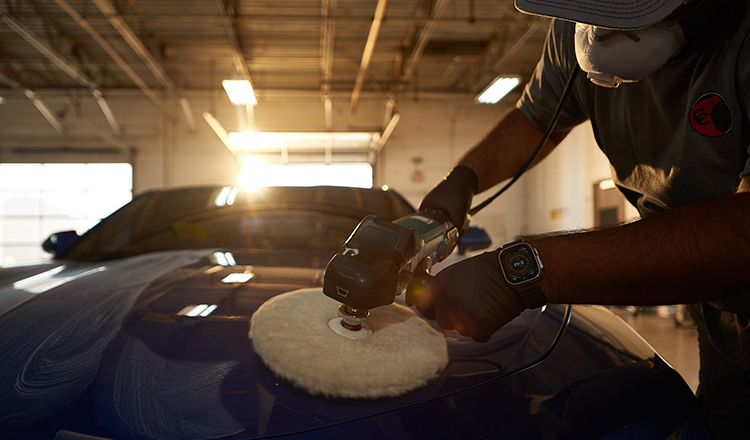
Applying ceramic coating requires extensive preparation and specific techniques to ensure a durable, long-lasting finish. First, technicians remove as many imperfections in the paint as possible using wet sanding and paint correction methods. Then, the ceramic coating is applied in sections and layers to the paint surface before curing.
The longevity of the ceramic coating depends largely on the number of layers applied during the coating process. As more layers are added, your paint receives additional protection. The specific lifespan also depends on environmental factors, how consistently you wash your vehicle, and your driving habits.
What Ceramic Coatings Cannot Do
Ceramic coating is not something you can spray on your vehicle or apply through a car wash. A true ceramic coating cannot remove existing flaws in your vehicle's paint by filling them in. In fact, the coating may actually draw more attention to those areas. Any imperfections, such as swirl marks and scratches, must be addressed through paint correction before the ceramic coat is applied.
You should also know that ceramic coatings provide enhanced protection but are not impermeable. You can still damage the paint on a ceramic-coated vehicle, and you can remove the ceramic coating itself by applying heat and pressure through a buffer.
Car washes are still necessary after ceramic coating your vehicle. Although the coating repels dirt and debris, putting enough miles on the odometer will result in a vehicle that needs washing. Ceramic coatings help minimize the potential for water spots, but you should still take proper precautions to make sure water does not stay on the paint for too long after washing, especially on a hot day.
What Are the Benefits of Ceramic Coating?
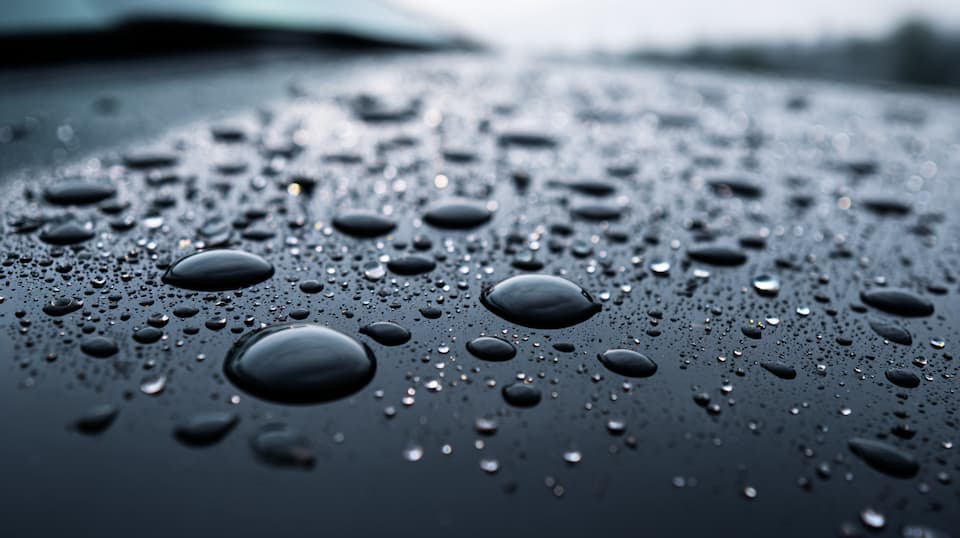
The three main benefits of ceramic coating are long-lasting protection, chemical resistance, and anti-corrosion properties. A ceramic coating also makes your vehicle easier to wash because it repels water, dirt, UV rays, tree sap, bird droppings, and chemical stains. Ceramic coating your vehicle can significantly reduce the need for frequent washing or even detailing.
Ceramic coating also benefits your paint by increasing the number of transparent protective layers above the actual pigment. Environmental forces, such as weather, road debris, and the sun's rays, wear away the ceramic coating first, leaving the clear coat and paint beneath it intact. Investing in ceramic coating can also be a cost-effective alternative to paint protection film, offering a transparent and nearly undetectable protective layer without the seams or light distortion that some films produce.
Is Ceramic Coating Worth It?
Ceramic coating is worth considering if you want to protect your vehicle's value and appearance. The coating can prolong the life of your paint, whether it is a factory option or a custom application. Depending on the coating's thickness, it may absorb the impact of light scratches and save the clear coat and paint beneath it from damage.
Ceramic coatings can also potentially increase your vehicle's resale value. Paint is one of the first things buyers notice about a vehicle, positively or negatively. A ceramic coating protects the paint's condition at the time of application, helping it last longer than it would if left uncoated.
Compared to paint protection film, ceramic coating offers a transparent and nearly undetectable layer without visible seams tucked around bodywork edges or subtle distortions of light and color. While aftermarket films can deteriorate with age, ceramic coating simply wears away gradually until it is time for reapplication.
If you live somewhere with extreme temperature changes, or even high temperatures year-round, ceramic coating your vehicle is a strong investment. Vehicles that are not garage-kept often benefit the most from ceramic coatings. Darker colors also tend to benefit more than lighter pigments, as imperfections and fading are easier to see in darker tones than in white or light-colored vehicles.
What to Consider Before Ceramic Coating Your Vehicle
Budget is typically the first consideration when it comes to ceramic coating. Several options exist at multiple price points, but you usually get what you pay for, as more expensive coatings tend to last longer. If you do not plan on keeping your vehicle for as long as the coating lasts, consider a more affordable, shorter-duration option.
How much you are willing to spend on ceramic coating also raises the question of whether to apply the coating yourself or pay a professional. If you have never done any paint correction on your vehicle, it is likely worth paying a professional to get the job done right. Applying ceramic coating yourself can save money if you know what you are doing, but it can also damage your paint and cause additional issues if you do not.
The bottom line is that the decision to apply ceramic coating ultimately depends on your vehicle's paint integrity. If the paint is not in a condition you want to preserve, you are better off investing in a fresh paint job first. However, you may still want to budget for a ceramic coating application after the new paint has fully cured to protect your investment going forward.
Protect Your Vehicle's Value With Ceramic Coating
Investing in ceramic coating offers the most benefits when a vehicle is brand-new or has been recently repainted. However, these products can also extend the paint life of older vehicles. Now that you know more about how ceramic coating works and the benefits it offers, you can make a more confident decision about whether a ceramic coating application is right for your vehicle.
Frequently Asked Questions
How long does ceramic coating last on a vehicle?
A professionally applied ceramic coating can last anywhere from two to 10 years, depending on the product quality, the number of layers applied, and how well you maintain your vehicle. Regular washing and avoiding harsh chemicals help extend the coating's lifespan.
Can you apply ceramic coating yourself?
You can apply ceramic coating yourself, but it requires thorough paint correction beforehand and careful application technique. If you are not experienced with paint correction, hiring a professional reduces the risk of trapping imperfections under the coating or damaging your paint.
Does ceramic coating prevent scratches?
Ceramic coating adds a durable protective layer that can absorb light scratches and help prevent minor surface damage. However, it is not scratch-proof. Deep scratches and significant impacts can still reach the clear coat and paint beneath the coating.
If your vehicle needs paint repair or refinishing after a collision, the team at Crash Champions can restore your finish using digital color-matching technology and manufacturer-supplied paint codes. Find your local Crash Champions to get started with a free estimate.
The information in this article is provided for educational purposes and may not reflect every situation. While we strive for accuracy, this content is general guidance, not a substitute for visiting your local collision repair provider. For questions about your specific vehicle or repair needs, contact your local Crash Champions team.