How to Choose the Right Tires for Your Car
Like engine oil, brakes, and windshield glass, your car's tires only last so long before they must be replaced. Shopping for tires can feel overwhelming, especially if you're unsure what to look for. Use the guide below to find the right new tires for your car and an option that fits your budget.
Select the Appropriate Tire Type
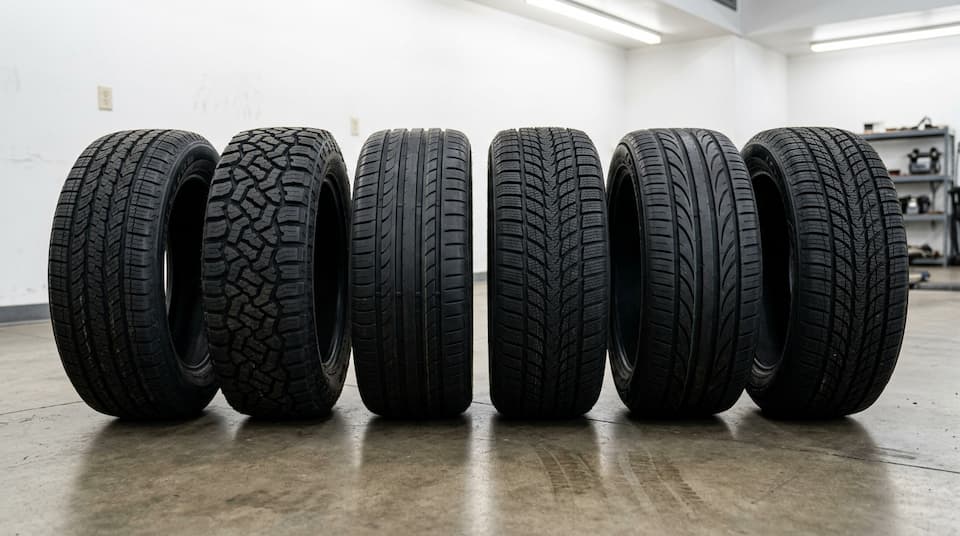
Choosing the right tires starts with understanding the different types available. Tires are separated into categories by their application and season. These distinctions are marked on the tire sidewall. Here are the different application types and their corresponding markings:
- "P": Passenger vehicle
- "LT": Light truck
- "ST": Special tires (for trailers)
- "T": Temporary spare
- "C": Commercial
All-season, summer, and winter tires are designed to perform in the conditions they describe. Many tire shops also sell run-flat tires. Keep reading to learn more about these seasonal tire types.
All-Season Tires
All-season tires are designed to perform year-round in a wide range of weather conditions, including light rain, dry heat, and moderate snow. Many drivers who live in climates with distinct seasons opt for all-season tires as an alternative to purchasing two sets: one for summer and another for winter. However, all-season tires may not perform as well as dedicated winter tires, depending on how harsh winters can be in your area.
All-season tires are made for almost every vehicle, from small and midsize sedans to SUVs and light-duty pickups. They provide a comfortable ride all year and offer solid handling capabilities. However, not all all-season tires are made the same.
For example, performance or grand touring all-season tires blend a sportier tire with the capabilities of all-season tires. With a lower profile and higher speed rating, performance all-season tires handle better if you want your vehicle to be more responsive. Take it one step further with ultra high performance all-season tires.
Summer Tires
Sports cars and luxury vehicles often come equipped with tires designed to grip the pavement in hot temperatures. These summer tires improve handling, cornering ability, and steering response and perform at their peak at temperatures above 40 degrees Fahrenheit. However, unless you live on the coast or somewhere in the U.S. where winters are extremely mild, summer tires are typically only viable during hotter months.
Compared to winter or all-season tires, summer tires typically have shallower tread depth and a shorter lifespan. They're also made from a different type of compound. Several summer tire varieties exist, including max, extreme, and ultra-high-performance tires.
Winter Tires
Winter tires, also called snow tires, are built specifically for cold weather, ice, and snow. Characterized by aggressively siped tire treads or studs, winter tires prioritize traction over the performance summer tires offer. Many vehicles benefit from snow tires, as they provide superior gripping power on wet surfaces and snow and are especially useful in wetter, colder climates with snowstorms and frosty conditions. Mounting winter tires on your vehicle improves handling in the snow so you can safely navigate slippery or snow-packed roads.
It's common practice to run winter tires during the colder months of the year and then switch to summer or all-season tires when the snow melts. Running winter tires on dry pavement can significantly reduce their longevity and your car's handling response. If your budget allows it, investing in a second set of wheels, on which you can mount your winter tires, can help simplify the changeover between summer/all-season tires and winter tires.
Run-Flat Tires
Run-flat tires remain operable for a limited amount of time if you run over something that punctures the sidewall. The stiffer sidewalls of these specialty tires can affect your vehicle's steering performance, and run-flats are often more expensive than other types of tires. If your vehicle came with run-flats from the factory, you can switch to traditional tire types or purchase another set of run-flats. The choice comes down to your budget and driving style.
Verify the Correct Tire Size and Measurements
Your tire's sidewall contains important codes and numbers that tell you everything you need to know about its size, load capacity, and speed rating. If you've ever peeked at a tire's sidewall, you've probably noticed a lot of lettering and numbers there. Most tires include several details that can be useful if you know what they mean. Here is a closer look at what each marking represents:
- Tire type: You'll find either a "P" (passenger vehicle) or "LT" (light truck) on the tires you're considering, along with lettering that indicates if the tire is an all-season, summer, or winter model.
- Tire width: Typically expressed by three digits in millimeters, the tire width describes the distance between sidewalls.
- Aspect ratio: This measurement of the distance between the lip where the tire meets the wheel to the tread often ranges from 40 to 70, with larger numbers indicating a larger aspect ratio.
- Construction: Most modern cars feature radial tires, expressed as "R" on the sidewall.
- Wheel diameter: Expressed in inches, the wheel diameter can range from under 10 inches to 28 inches or more.
- Load index: Your car's tires can only support so much weight, which is expressed by the load index in the form of two or three numerical digits.
- Speed rating: Tires are also rated for speed, which is expressed by a letter that ranges from L (75 miles per hour) to Y (185 miles per hour or more).
Tire width, aspect ratio, and wheel diameter are the most important measurements for mounting the proper tires on your vehicle's wheels. Tire type, load index, and speed rating are typically next in priority.
Additional Tire Replacement Tips
When purchasing tires, replace all four at once to ensure even wear. Imagine wearing a brand-new shoe on one foot and an old shoe on the other. The brand-new tread lifts you higher than the worn-out tread, making it challenging to walk comfortably.
When comparing tires, you may also encounter treadwear ratings. Tire manufacturers include these ratings, expressed as a particular mileage, to help you identify how long a specific tire is designed to last. Tires with a higher treadwear rating tend to last longer, depending on operating conditions and tire care.
After replacing your car's tires, inspect and maintain them regularly. Rotate and balance the tires at the intervals recommended by your vehicle's manufacturer to ensure they're functioning properly. Inflate them to the proper tire pressure and stay within the vehicle's weight limit capacity to prevent premature wear.
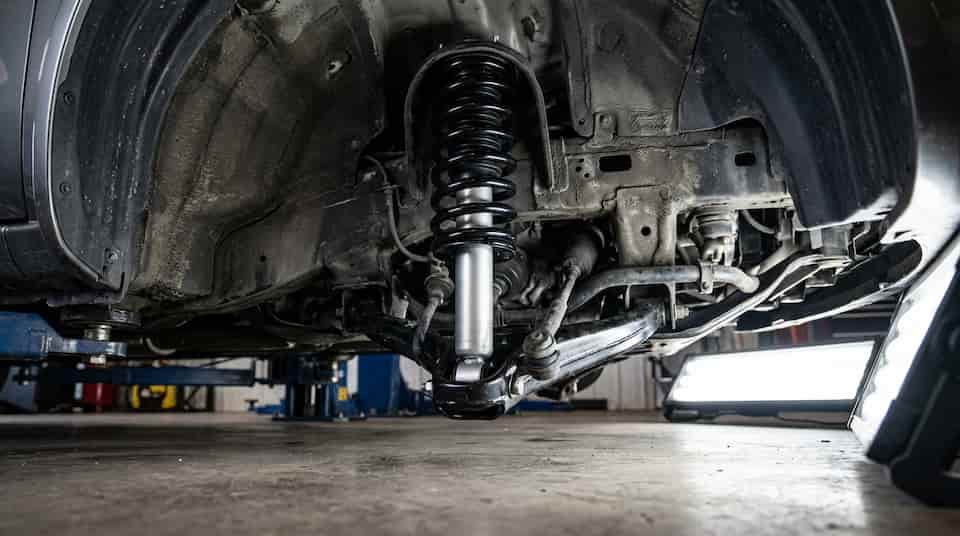
Routinely check the tire pressure, tread, tread depth, and sidewalls to ensure the tires are performing as they should. Measure the tread depth with a penny or quarter and replace your tires once the tread is near or reaches 2/32 of an inch. Uneven tire wear can indicate your car's alignment is off or a suspension component isn't functioning properly.
Approach Your Next Tire Purchase With Confidence
Now that you know more about choosing the right tires for your car, you can make a more informed buying decision. Understanding the different types of tires and their corresponding measurements helps you choose the right set for your vehicle.
Whether you need help after a collision or want to keep your vehicle in peak condition, your local Crash Champions team is here to help. Find a Crash Champions location near you to schedule your free estimate.
Frequently Asked Questions
How often should you replace your tires?
Most tires need to be replaced when the tread depth reaches 2/32 of an inch. You can check this with a simple penny or quarter test. Depending on your driving habits and tire type, most tires last between 25,000 and 75,000 miles.
Can you mix different types of tires on the same vehicle?
It is not recommended to mix tire types on the same vehicle. Replacing all four tires at once ensures even wear and consistent handling. If you must replace fewer than four, match the new tires to the same type, size, and speed rating as your existing ones.
What is the difference between all-season and winter tires?
All-season tires are designed for year-round use in moderate weather conditions. Winter tires feature deeper, more aggressive tread patterns and softer rubber compounds that maintain grip in freezing temperatures, ice, and snow. If your area experiences harsh winters, a dedicated set of winter tires provides safer handling during the coldest months.
The information in this article is provided for educational purposes and may not reflect every situation. While we strive for accuracy, this content is general guidance, not a substitute for visiting your local collision repair provider. For questions about your specific vehicle or repair needs, contact your local Crash Champions team.