How to Clean Leather Car Seats and Keep Them Looking New
Maintaining your vehicle's interior includes cleaning the plastic surfaces and leather seats. Finding the right method for scrubbing out dirt, debris, and food remnants can feel overwhelming, especially if you are not sure which cleaning products are safe for leather. Use the guide below to learn how to clean leather car seats and keep them in great shape for years to come.
Cleaning Leather vs. Cloth Seats
Leather seats can be harder or easier to clean than cloth seats, depending on how you look at it. A vacuum and an industrial steamer make quick work of dirty cloth seats, although it may take several rounds of steam cleaning to extract all the grime. However, cloth seats can take several hours or nearly a full day to dry completely.
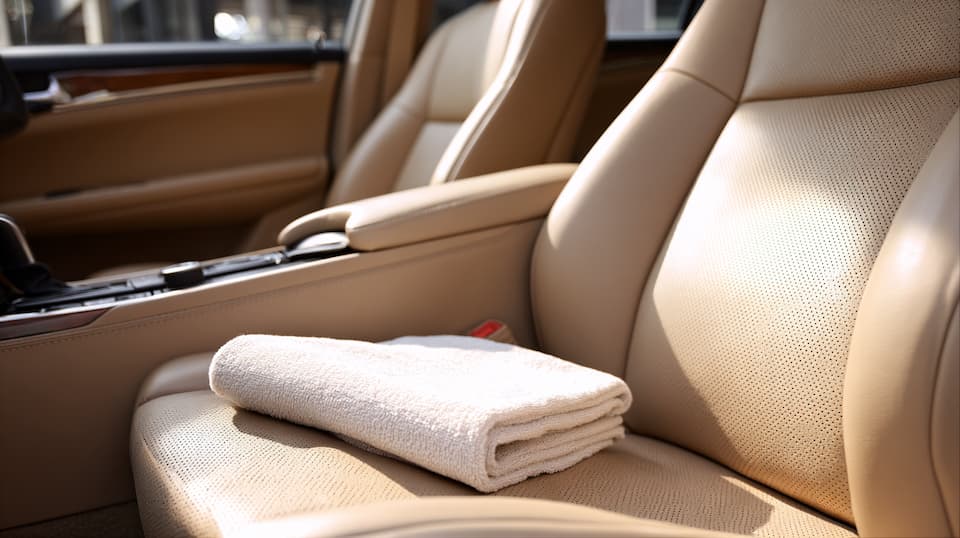
Leather seats tend to be more durable and dry faster, even when cleaned with a steamer. Many leather seats are perforated to allow for airflow, and small crumbs or liquids can easily flow into these tiny crevices. Removing this debris can be challenging and may require multiple scrubbings.
How to Clean Leather Seats in a Car
Even if you only have time to clean your car's leather seats, your efforts can go a long way toward protecting your investment. Follow these steps to clean your car's leather seats effectively.
- Remove loose items. Start by taking off seat covers, removing child car seats, and clearing away any large crumbs or trash.
- Vacuum the surface. Run a vacuum over the leather, making sure the vacuum tip does not have any sharp edges that could scratch the material.
- Test your cleaning solution. Apply your chosen cleaner to a small, hidden area of the leather first to make sure it does not stain or discolor the finish.
- Scrub in small sections. Using a detail brush, work in small sections and apply steady pressure without scrubbing too hard. A brush with mildly stiff bristles works well on dirtier leather, while softer bristles help maintain dyed leather without scratching the surface.
- Wipe down each section. After you finish a section, wipe it with a microfiber cloth. Repeat if necessary. If small crumbs remain in the seat cracks or along the edges, use a toothbrush or similar tool to break them free.
- Apply leather conditioner. Allow the leather to dry for 15 to 20 minutes, then apply leather conditioner. Most conditioning products are thin, so a little goes a long way. Use a clean microfiber towel or a separate applicator pad to work the conditioner into the leather, again working in small sections and wiping away any excess.
Apply leather conditioner to clean seats every three to six months to keep them soft and supple. Pay special attention to areas of high wear, such as the main seat area, armrests, and headrest.
DIY Leather Cleaning Solutions
Several manufacturers sell automotive leather cleaners that you can find at your local auto parts store or online. Before purchasing, read through customer reviews to find a product that fits your needs and budget. You can also create your own leather cleaning solutions if you prefer natural ingredients.
One common cleaner car owners often reach for is dish detergent. Although these products clean deeply, they are often too harsh for leather seats and can quickly dry them out. Instead, try one of the following natural DIY cleaning solutions:
- Baking soda: Mix a paste of baking soda and water and apply it to your leather seats before scrubbing away grime. Follow up with a leather conditioner, as baking soda can also dry out leather.
- Castile soap: Blend one tablespoon of castile soap with one cup of warm water for a gentle, natural cleaner.
- Rubbing alcohol: If your leather seats are stained, blot the affected area with a cotton ball soaked in rubbing alcohol.
- Vinegar: A light vinegar-and-water mixture sprayed onto leather seats provides an antibacterial, natural cleaning option.
You can also make your own leather conditioner. Beeswax, flaxseed oil, and coconut oil are common natural options for conditioning leather. Mink oil is another alternative to store-bought leather conditioners.
How Often Should You Clean Your Leather Seats?
How often you need to clean your leather seats depends on how frequently you drive, how far you travel, and how many passengers ride in your vehicle. Family cars tend to get dirty faster than vehicles used by one person or a couple, and adding pets to the mix increases cleaning frequency even more.
As a general guideline, aim to do a quick wipe-down of your car's leather seats every month. This schedule allows you to clean up any remaining spills and condition your leather to help it last longer. At a minimum, clean and condition your car's leather at least once every six months to keep it supple.
When to Seek a Professional
With enough time, effort, and the right tools, you can clean your car's leather seats yourself. However, knowing when to bring in a professional can save you time and deliver a more thorough result. Budget is often a primary factor, but most automotive detail shops offer interior details at an affordable price.
The advantage of having an automotive detailer clean your leather seats is the professional-grade equipment they use. Industrial steamers can remove stubborn stains from seats. If cleaning your car's leather releases any trapped odors, professional detailers can also deodorize the vehicle's interior.
Beyond professional detailing, you may also need the help of an upholsterer to repair any rips, tears, or discolorations. Leather fades over time, whether or not it is exposed to sunlight. Leather-dyeing kits are available online, but matching the exact color of your car's leather can be difficult.
Keep Your Leather Seats Clean and Protected
Keeping your car's leather seats clean helps maintain your vehicle's value and gives you and your passengers a fresh, comfortable interior. Use the steps outlined above to keep your seats soft, supple, and looking their color as your car ages. With regular cleaning and conditioning, your leather upholstery can stay in great shape for years to come.
Frequently Asked Questions
What is the safest way to clean leather car seats?
The safest approach is to vacuum the seats first, then use a gentle cleaner like castile soap mixed with warm water. Always test your cleaning solution on a small, hidden area before applying it to the entire seat. After cleaning, apply a leather conditioner to keep the material soft and prevent cracking.
Can you use household cleaners on leather car seats?
You should avoid harsh household cleaners, including standard dish detergent, as they can strip natural oils from leather and cause it to dry out or crack. Mild, natural options like a baking soda paste, diluted vinegar, or castile soap are safer alternatives for cleaning leather upholstery.
How often should you condition leather car seats?
Apply leather conditioner every three to six months, depending on how frequently you use your vehicle. Regular conditioning prevents the leather from drying out, cracking, or fading. Focus on high-wear areas like the seat surface, armrests, and headrests for the longest-lasting results.
If your vehicle's interior has sustained damage from an accident, the team at Crash Champions can help restore it as part of the collision repair process. Find your local Crash Champions to get started with a free estimate.
The information in this article is provided for educational purposes and may not reflect every situation. While we strive for accuracy, this content is general guidance, not a substitute for visiting your local collision repair provider. For questions about your specific vehicle or repair needs, contact your local Crash Champions team.