How to Drive in Heavy Traffic
Every hour you spend on the road after getting off work can feel like an eternity if you get stuck in heavy traffic. After all, rush hour is more than just 60 minutes of honking horns, frustrated drivers, and fender-benders these days. Use the guide below to learn how to drive in heavy traffic to keep yourself and other drivers safe.
How to Drive in Heavy Traffic
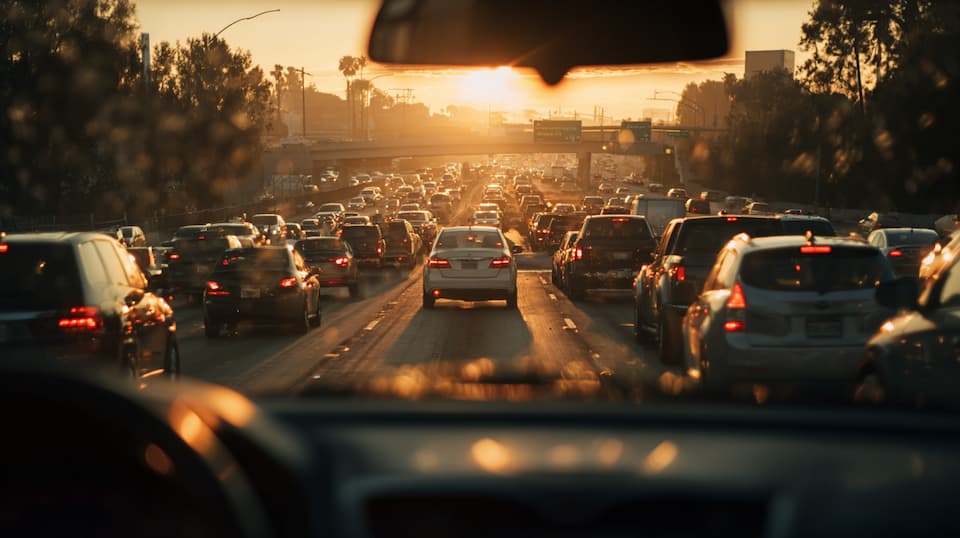
Driving in heavy traffic means staying patient, staying alert, and making deliberate decisions behind the wheel. As challenging as navigating congested roads might be, remaining calm can help you get through the crowd with fewer headaches. No amount of anger or frustration will bring you closer to your destination. Instead, use the following tips to handle heavy traffic safely, whether you are dealing with rush hour, the aftermath of a sporting event, or the holiday rush.
Avoid Rush Hour
The simplest way to deal with heavy traffic is to avoid it altogether. If you can stay off the roads during peak congestion, there is no need for coping mechanisms. However, staying off the roads between 7 and 9 a.m. and 4 to 6 p.m. can prove more challenging than you may think. Consider adjusting your schedule by even 30 minutes to miss the worst of it.
Assume Maximum Traffic Congestion
Navigating with your smartphone enables you to determine how long it will take to arrive at your destination based on current conditions. However, it is always a good rule of thumb to assume your trip will take longer than expected due to unforeseen delays. That way, you can ensure you have enough time to deal with anything that comes up, or you will arrive early. Either outcome puts you further ahead than if you had only budgeted the minimum amount of time required to reach your destination.
Practice Defensive Driving
Defensive driving means anticipating hazards, maintaining safe following distances, and staying aware of your surroundings at all times. These skills serve you well in many situations, including heavy traffic. Keep a safe distance from the car in front of you, especially if the weather is bad or you are driving at night. Pay attention to what is happening around you, from pedestrians and bicyclists moving about to lane-splitting motorcycles.
In addition, double-check your mirrors before you change lanes or exit the highway. Signal your intentions ahead of time to ensure other drivers know where you are going. Operate your car with intention rather than hasty maneuvers that can increase the chances of an accident.
Navigate Around Traffic Jams
Driving the streets in your neighborhood during rush hour may be unavoidable, but that does not mean you have to take the most direct route. Sometimes, going for a scenic detour can help you get to your destination faster during peak busy times. Many navigational apps suggest an alternate route that may not normally take less time but can be beneficial during rush hour.
Never Drive Impaired or Distracted
Driving drunk, high, distracted, or drowsy can all end the same way: a serious accident that can claim more than one life. Avoid distractions while you are behind the wheel, primarily your phone. Never drive if you are impaired.
Plan Your Route
Avoiding rush hour and taking an alternate route can help minimize time spent in heavy traffic, but your success also depends on how you plan your route. For example, if you need to exit shortly after getting onto the highway, avoid getting into the furthest left lane. If you are on the highway for a longer stretch, anticipate exiting by getting in the appropriate lane a few miles ahead of time.
Planning can also help you avoid heavy traffic if you need to travel between busy and less-frequented areas. For instance, if you leave work slightly later or grab a bite to eat before making your way home, you could significantly shorten your return commute.
Maintain Your Vehicle
Sitting in heavy traffic is frustrating enough, but dealing with a malfunctioning vehicle can make the experience far worse. Routine car maintenance ensures your vehicle is road-worthy and reliable. In addition, testing each of your car's basic systems and components, such as the turn signals, mirrors, headlights, and wipers, before you get behind the wheel can help you identify problems before you have to troubleshoot them on a crowded strip of road.
Enroll in Driving Courses
Taking a driving course can help you practice and learn the skills you need behind the wheel. These courses often cater to student drivers, but even seasoned drivers can benefit from them. Depending on your car insurance carrier, you may also qualify for discounts on your premium.
Driving Behaviors to Avoid in Heavy Traffic
Now that you know more about what you should do while driving in heavy traffic, here are some behaviors that can put you at risk. Avoid the following actions to keep yourself and those around you safe:
- Blasting loud music that drowns out sirens or horns
- Blocking junctions or disrupting traffic flow
- Checking your phone for texts, calls, or social media updates
- Forgetting to check your blind spots before changing lanes or exiting
- Honking excessively
- Eating or drinking behind the wheel
- Using the hard shoulder
- Cutting across lanes without signaling or looking for other drivers
- Tailgating other vehicles to get them to go faster
- Forgetting to turn on your headlights, even at dusk
- Driving in neutral
- Ignoring merging vehicles to get ahead of the crowd
- Remaining in the wrong lane based on your intended destination
- Braking abruptly for no apparent reason
- Getting distracted by billboards, signs, other drivers, or any other stimulating circumstances
- Using aggressive or rude hand gestures
Many people driving through heavy traffic just want to get where they are going without any delays. Contribute to reducing your time on the road by being patient, clear, and safe in your actions. Your fellow drivers will thank you.
Make Smart Decisions Behind the Wheel
You cannot always avoid driving in heavy traffic. However, using the tips above, you can approach heavy traffic with less anxiety and more confidence. The next time you encounter a sea of brake lights, you will know exactly what to do so you can get to your destination safely.
If heavy traffic leads to an unexpected fender-bender or collision, your local Crash Champions team is here to help with professional collision repair services. Find your nearest Crash Champions location to get a free estimate and get back on the road.
Frequently Asked Questions
What is the safest following distance in heavy traffic?
A good rule of thumb is to keep at least a three-second gap between your vehicle and the car in front of you. In poor weather or low visibility, increase that distance to four or five seconds to give yourself more time to react.
Is it safer to take side streets or the highway during rush hour?
It depends on your route and local conditions. Highways may have higher speeds but fewer stops, while side streets have lower speeds but more intersections and pedestrians. Use a navigation app to compare real-time travel times and choose the route with the least congestion.
What should you do if your car breaks down in heavy traffic?
Turn on your hazard lights immediately and try to move your vehicle to the shoulder or the nearest safe area off the road. Stay inside your car with your seatbelt on if you cannot safely exit, and call for roadside assistance. Once your vehicle is recovered, a collision repair professional can inspect it for any damage caused by the breakdown or related incidents.
The information in this article is provided for educational purposes and may not reflect every situation. While we strive for accuracy, this content is general guidance, not a substitute for visiting your local collision repair provider. For questions about your specific vehicle or repair needs, contact your local Crash Champions team.