How to Increase Fuel Economy
Hybrid and electric vehicles (EVs) are known for their superior fuel economy ratings. Even if you don't drive a hybrid or EV, you can still increase your car's fuel efficiency with a few adjustments. Use the guide below to discover how to increase fuel economy and get more miles out of the gas you pay for.
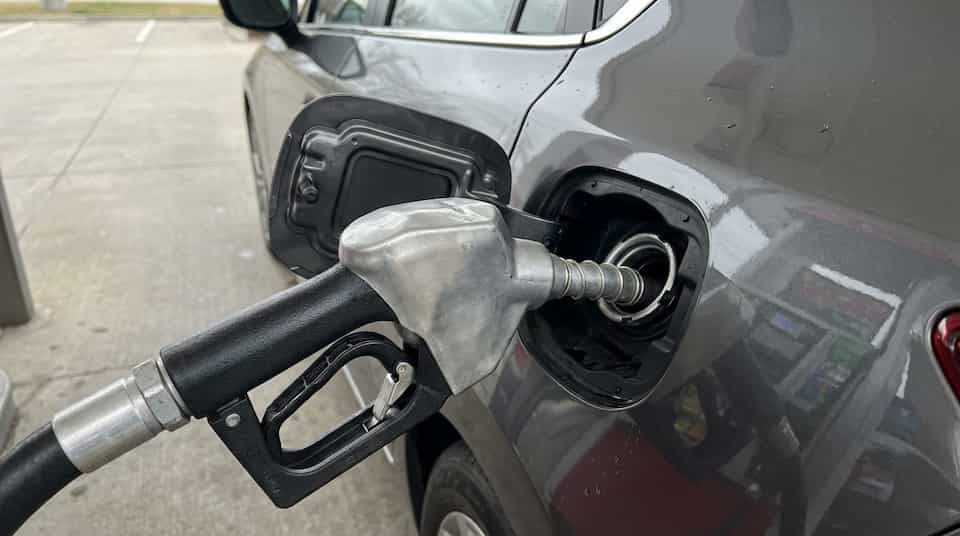
How to Increase Fuel Economy
You can increase your fuel economy by maintaining proper tire pressure, avoiding excessive idling, easing on and off the throttle, and keeping up with regular vehicle maintenance.
Improving your car's fuel economy requires minor changes to your driving behavior, vehicle maintenance, and route planning. However, the gain in fuel efficiency can vary between drivers and vehicles. Even a small increase translates to future savings at the pump.
Avoid Excessive Idling and Stop-and-Go Traffic
The stop-and-go traffic you encounter in the city is actually more harmful to your fuel economy, and your vehicle, than driving on the highway. For this reason, many modern cars come equipped with an automatic start/stop system that shuts off the engine when idling. If your vehicle doesn't have this feature, try to avoid idling as much as possible to maintain fuel efficiency.
Check Tire Pressure
Inflating your car's tires to the proper pressure can help optimize their performance and increase your vehicle's fuel efficiency. Underinflated tires create a wider contact patch between the rubber and the road, increasing the resistance on the tires and your vehicle's suspension. Overinflated tires can also lead to uneven tire wear, which may not directly affect your car's fuel economy but can result in premature tire wear and replacement.
Verify Your Vehicle's Alignment
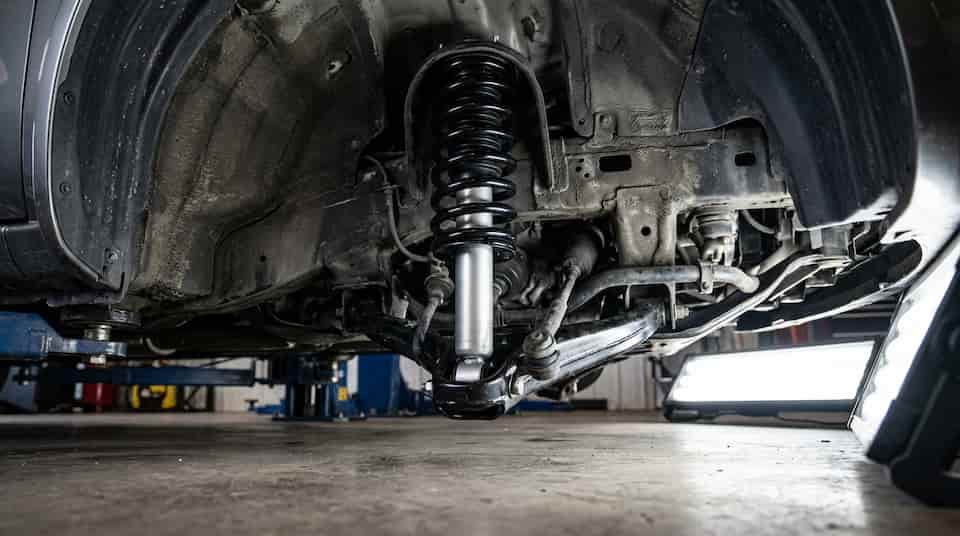
Similar to tire pressure, your car's alignment plays a significant role in its efficiency. If you struggle to keep the wheels straight, the strain can cause your vehicle to work against itself. Improper alignment can also reduce the lifespan of suspension parts and tires, leading to additional repair or replacement costs.
Choose the Proper Fuel
Many turbocharged vehicles require premium fuel to work at maximum efficiency. However, older cars don't necessarily require such high-octane fuel for fuel efficiency. Instead, consult your owner's manual to determine what fuel the manufacturer recommends.
Lighten the Load
Your vehicle helps you transport various items, from groceries and camping gear to new furniture. However, exceeding the load limit can negatively impact fuel efficiency. To improve your car's efficiency, remove roof racks or cargo containers that increase aerodynamic drag, and take out any heavy items you don't need.
Replace Air Filters
Your car's engine requires a precise mixture of air and fuel to operate optimally, but a lack of airflow due to a dirty air filter can cause it to work harder. To minimize airflow restrictions, replace air filters or purchase reusable replacements. Inspecting these filters every month can help you determine when to service them for consistent results.
Ease On and Off the Throttle
Conservative driving, including accelerating and braking gently, is one of the most effective ways to increase fuel economy. Avoid aggressive driving, such as sudden acceleration or speeding. Consider warming your vehicle up before you go wide-open throttle on the highway.
Switch to Cruise Control
Maintaining a constant speed helps improve fuel economy. Although experienced drivers can often maintain the same speed for long periods, cruise control automates the process. In some modern vehicles, cruise control will even adjust speed and following distance for smarter fuel savings.
Use the Air Conditioning Sparingly
Your car's air conditioning puts an extra load on the engine during use, decreasing its efficiency to keep you cool in the sweltering heat. While refraining from using the AC during the summertime can feel like denying yourself a glass of cold water, you can conserve energy by keeping your vehicle's interior cooler during the day. For example, park beneath a tree or in the shade to reduce the sun's influence on your car interior's temperature so you don't have to make the air conditioner, and your vehicle, work as hard.
Optimize Your Route
Spending a day running errands may feel like you've driven across town and back dozens of times, but it doesn't have to. Instead, you can plan out your route to make sure you're being the most efficient with your time and gas. If your stops are close enough together, you can even get in some exercise by walking between locations instead of burning fuel.
Keep Up with Regular Maintenance
Routine car maintenance helps your vehicle run at peak efficiency so it performs just as well as it did when it left the assembly line. To keep your vehicle in top shape, stay on schedule with oil changes, fluid flushes, and other maintenance intervals. Replace the spark plugs and address any warning lights or service messages as soon as you can.
How to Calculate Fuel Efficiency
Fuel efficiency is measured in miles per gallon (MPG), which you can calculate by dividing the miles driven by the gallons of fuel used. Measuring your vehicle's fuel economy can help you determine its efficiency compared to the manufacturer's specifications. Follow the steps below to calculate your car's fuel efficiency, and record your measurements before and after making changes to see how much efficiency you've gained.
- Fill your gas tank and record the odometer reading. You can also reset one of your trip odometers to begin recording the number of miles you'll drive on a single tank of gas.
- Determine and record how much fuel, in gallons, your car's gas tank holds. You can typically find this information in the owner's manual.
- Drive as you normally would until the gas gauge is below a quarter tank or the fuel light comes on. If you prefer a shorter interval, you can also drive until your gas tank is roughly half full, according to the gas gauge.
- Record the odometer reading (or the trip odometer if you used that as your gauge) again and compare it to the first reading. Subtract the old mileage reading from the new one to determine how many miles you drove.
- If you based your readings on a full tank, divide the number of miles traveled (from Step 4) by your car's gas tank capacity to find how many miles your car can drive per gallon of gas. If you based your readings on a half tank of gas, halve the gas tank capacity but perform the same calculation.
For example, a car that can drive 300 miles on 20 gallons of fuel achieves a fuel efficiency of 15 miles per gallon. A vehicle with a smaller gas tank, say 12 gallons, that drives the same distance achieves 25 miles per gallon.
Frequently Asked Questions
Does tire pressure affect fuel economy?
Yes. Underinflated tires create more rolling resistance, which forces your engine to work harder and use more fuel. Check your tire pressure at least once a month and inflate to the level recommended in your owner's manual.
Does driving slower save gas?
Generally, yes. Aggressive acceleration and high speeds increase fuel consumption. Maintaining a steady speed, using cruise control on the highway, and easing on and off the throttle can all help you get more miles per gallon.
How do I calculate my car's miles per gallon?
Fill your tank, record the odometer reading, then drive until you need to refuel. Divide the miles driven by the gallons it takes to refill. For example, if you drove 300 miles and used 12 gallons, your car gets 25 MPG.
Monitor Your Vehicle's Fuel Consumption
The same methods you use to increase your car's fuel efficiency can also contribute to its longevity. Monitoring your fuel economy can help you diagnose problems early on before they become costlier and more involved. Calculate your car's current fuel economy before and after making the changes above to see how much you can save in fuel costs.
If your vehicle needs maintenance or repairs that could affect its fuel efficiency, find your local Crash Champions to schedule a free estimate and get your car running at its full potential.
The information in this article is provided for educational purposes and may not reflect every situation. While we strive for accuracy, this content is general guidance, not a substitute for visiting your local collision repair provider. For questions about your specific vehicle or repair needs, contact your local Crash Champions team.