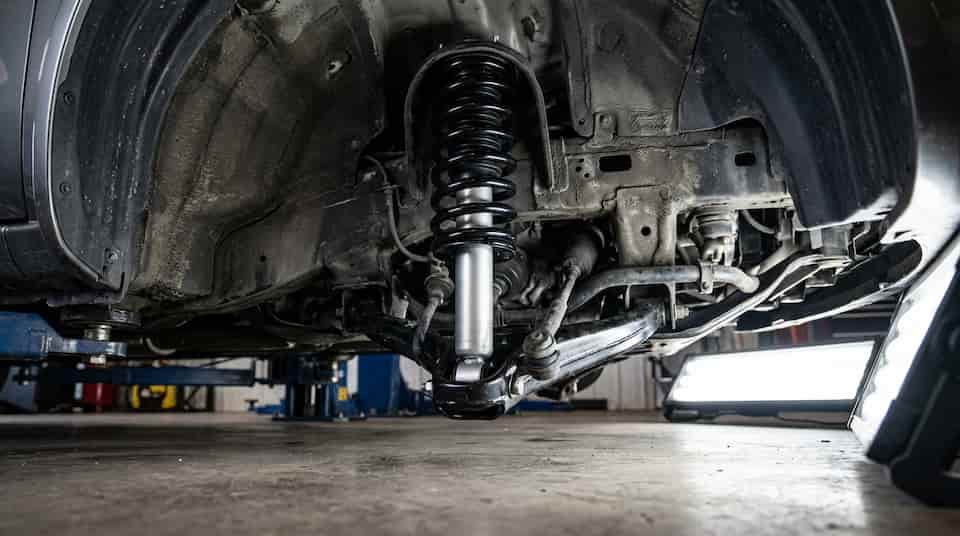
How to Increase Your Car's Value
Like many things, cars depreciate over time, breaking down due to age and normal wear and tear. Even driving a brand-new car off the lot contributes to its depreciation. The guide below introduces several ways you can increase your car's value, whether you want to get more for it when you sell or trade it in, or simply keep your vehicle in great shape for years to come.
How to Increase Car Value
The most effective way to increase your car's value is to stay on top of regular maintenance, protect the exterior finish, and keep detailed service records. Most cars lose roughly 20% of their value in the first year and up to 60% within five years, but consistent care can slow that depreciation significantly.
You have a better chance of increasing your car's value when it is still relatively new. After all, that is when most of the value is still there to maintain compared to older vehicles. However, even higher-mileage cars gain value when you implement the following techniques.
Keep Everything That Originally Came With the Car
Any collector knows that the material that accompanies an asset can significantly impact its value. The same principle applies to your vehicle. If you keep everything that originally came with the car, potentially even the window sticker, you can increase its value.
Floor mats, trunk organizers, and other branded accessories are some of the most common items that originally come with a vehicle. Many of these items are functional, like the owner's manual or the original tire jack that some cars come equipped with. Others may be more useful for recordkeeping, such as the sales receipt that shows what additional features or accessories you purchased with the vehicle.
Maintain the Exterior and Interior
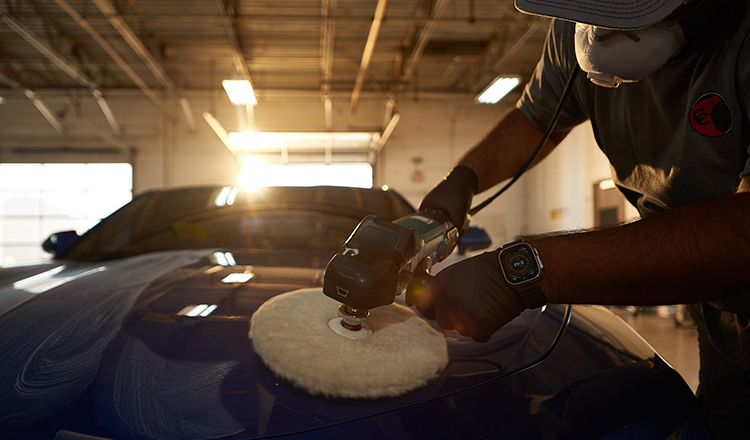
Normal wear and tear results in scratches, stains, and damage to your vehicle, both inside and out. However, you can maintain and even increase your car's value if you keep it clean, park it in a covered spot, and treat it to a professional detail every once in a while. Consider investing in ceramic coating to further sustain your car's trade-in value based on the condition of its paint.
Invest in Paint Protection Film
In addition to ceramic coating, paint protection film can also protect your vehicle's paint. This film, also known as "clear bra," is a transparent urethane layer that shields your paint from rock chips, road debris, and minor scratches. Many films are self-healing, meaning light scuffs disappear with heat exposure. While paint protection film can be a significant investment, it rivals the cost of a full automotive paint job without sacrificing curb appeal.
Keep Up on Regular Maintenance
A car's value depends on how it functions as much as how it looks, if not more so. Routine maintenance ensures your vehicle remains on the road for longer without catastrophic breakdowns. Abide by the service intervals listed in your owner's manual, from oil changes and tire rotations to cooling system maintenance. Remember to keep records of all maintenance and repairs, as these can provide demonstrated value if you sell the car privately later down the road.
Balance Affordable and Quality Services
Maintaining any vehicle you plan to keep for five years or longer requires balancing affordable services with quality care that keeps your car out of the shop. To achieve strong resale value, find a trusted mechanic, even if it means paying a little more to guarantee quality service. Your vehicle and your future self will thank you.
Address Paint Imperfections Immediately
Noticing a new scratch or dent on your vehicle can feel frustrating. However, addressing these imperfections with urgency can help you save money and protect your vehicle's value. Rust can easily latch onto bare metal exposed by a scratch and, if left untreated, can lead to further damage that threatens the car's structure. A quick paint scratch repair now can prevent a much larger problem later.
Avoid Extensive Modifications
When it comes to modifying your vehicle, simply adding window tint or replacing the factory wheels with an aftermarket set can be considered a "modification." However, extensive modifications include projects like replacing the factory exhaust with a custom setup, replacing the engine, installing new bodywork, or adding a roll cage. These modifications can improve resale value in some cases, but in others, they actually hurt the car's value.
If there is any possibility that you will end up selling your car at some point, it is a good rule of thumb to avoid modifications of any kind unless they are easily removable. Certain modifications that contribute to safety, functionality, or performance may be acceptable. However, the more specialized your vehicle, the harder it will likely be to sell it for a reasonable price or obtain significant trade-in value.
Minimize Your Mileage
A vehicle's mileage is one of its selling points during the car-buying process. If you keep your car's mileage low, it is technically worth more because it is further from wearing out key components over time. Higher-mileage vehicles tend to visit the shop more often for extensive repairs that can include major components like the engine, transmission, or drivetrain.
If you only have one car, keeping its value high by limiting mileage can be tricky. However, households with multiple vehicles can designate one car as their long-distance driver and another for shorter or fewer trips.
Pay Off Your Car Loan
Making your last payment on a vehicle can feel like an achievement of its own, but it can also contribute to increasing your car's value. When you sell or trade your vehicle, you are entitled to the entire sum rather than what is left over after your loan has been paid off. You can also list the used car at a higher price or redirect the funds you would have spent on a car payment toward upkeep and maintenance instead.
Monitor the Market
Regardless of your car's condition, its relative value fluctuates based on market demand. For example, a market dominated by compact SUVs that are popular among consumers may drive down the price of family sedans, or vice versa. It is up to you to read the signs and determine when your vehicle will benefit from high demand and a higher asking price so that you can sell it for more.
Factors That Affect a Car's Resale Value
Increasing your car's value begins with understanding what features contribute to its worth and how significant they are compared to one another. Some characteristics, like age, cannot be changed. Below are the key factors that influence a car's resale value.
- Make, model, and trim package: Some brands and configurations hold their value better than others based on reputation and demand.
- Color and model year: Neutral colors tend to appeal to more buyers, and newer model years command higher prices.
- Engine, transmission, and drivetrain: Prospective buyers may seek out a particular engine or drivetrain configuration because it is known for reliability.
- Age and mileage: Lower mileage and newer age generally translate to higher value, though well-maintained older vehicles can still hold their worth.
- Exterior and interior condition: Visible damage, scratches, stains, or worn upholstery all reduce perceived value.
- Modifications: Aftermarket changes can increase or decrease value depending on the buyer pool.
- Maintenance history: Documented service records demonstrate that the vehicle has been cared for properly.
- Geographical location: Regional demand, climate, and local market conditions all play a role.
- Reliability ratings: Published reliability scores from trusted sources influence buyer confidence.
These features can work for or against you in several ways. For example, prospective buyers may seek out a particular engine for a certain make and model because it is the most reliable. In contrast, you may want to avoid a specific model year because that production run came equipped with a drivetrain that was not as reliable as the year prior.
Frequently Asked Questions
Does paint protection film increase a car's resale value?
Paint protection film can help maintain your car's resale value by shielding the original paint from rock chips, scratches, and road debris. A vehicle with well-preserved paint typically commands a higher price at trade-in or private sale because buyers see fewer cosmetic issues to address.
How much does regular maintenance affect a car's value?
Regular maintenance has a significant impact on resale value. A vehicle with a complete, documented service history reassures buyers that the car has been cared for properly, which can translate to a higher asking price. Skipping routine services like oil changes and tire rotations often leads to larger mechanical problems that reduce value quickly.
What is the fastest way to lose value on a car?
Neglecting maintenance, allowing cosmetic damage to go unrepaired, and adding extensive aftermarket modifications are among the fastest ways to lose value. High mileage and missing service records also reduce buyer confidence. Keeping your vehicle clean, well-maintained, and as close to factory condition as possible helps preserve its worth.
Maintain Your Car's Value and Longevity
Now that you know how to increase your car's value, you can potentially get more for it when you put it up for sale or trade it in. The techniques listed above also help keep your car in good shape, regardless of its fate. Maintain your vehicle's value to protect your investment for years to come.
If your vehicle has cosmetic damage like scratches, dents, or paint imperfections that could lower its value, Crash Champions can help restore its appearance. Find your nearest location to schedule a free estimate.
The information in this article is provided for educational purposes and may not reflect every situation. While we strive for accuracy, this content is general guidance, not a substitute for visiting your local collision repair provider. For questions about your specific vehicle or repair needs, contact your local Crash Champions team.