How to Maintain Your Car's Cooling System
Your car's cooling system plays a critical role in engine longevity, regardless of make, model, or model year. Keeping it in good working order helps your vehicle run reliably for years to come. Use this guide to learn how to maintain your car's cooling system and spot problems before they cause costly damage.
What Is the Purpose of a Car Cooling System?
A car cooling system regulates engine temperature, lubricates internal components, and protects against corrosion. The liquid that flows through the system is often called antifreeze or coolant, and it is important to understand the difference between the two.
Antifreeze is a concentrated liquid, while coolant is antifreeze diluted with water. Most coolants use a 50/50 ratio of antifreeze and water. Your owner's manual will specify which type of antifreeze or coolant your car requires.
The individual components that make up your vehicle's cooling system include:
- Radiator
- Fan mounted to the radiator
- Water pump
- Coolant expansion tank
- Drive belt
- Radiator cap
- Hoses and fittings
- Heater core
- Head gasket
- Thermostat valve
By circulating through the heater core and removing excess heat from the engine, the cooling system helps protect your car from premature failure. Without a cooling system, your vehicle would not be able to drive far, especially in extreme temperatures. In hot weather, the engine would overheat quickly. In cold weather, antifreeze prevents the liquid inside your engine from freezing within its small internal passages.
How to Maintain Your Car's Cooling System
Even when your vehicle is new, building good maintenance habits early can help keep your cooling system in strong working condition for miles to come. Here are six practical steps you can take to maintain your engine cooling system.
Keep Coolant at the Right Level
Monitoring your coolant level and topping it off when necessary is one of the most important parts of cooling system maintenance. On a healthy vehicle, the coolant level should remain relatively stable. If you notice it dropping consistently, that can indicate a leak you should address promptly.
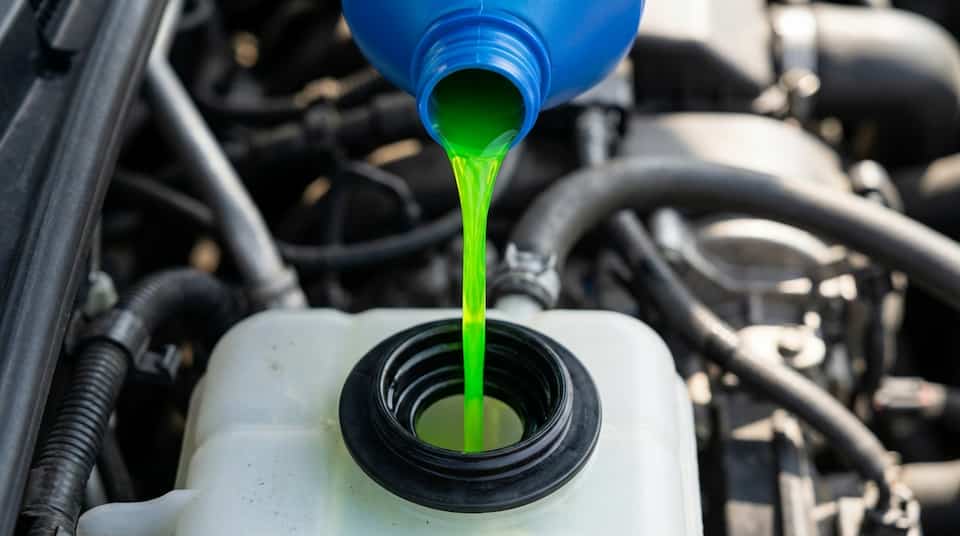
You can add excess coolant to the expansion tank. Most manufacturers mark a fill line on the tank that shows full versus low coolant levels. If the expansion tank is completely empty, look for a significant leak that may be draining your engine's cooling liquid.
Make Sure the Coolant Flows Cleanly and Freely
Like many fluids in your vehicle, antifreeze or coolant should be free from debris and contaminants. Clean coolant works at full effectiveness without risking damage to vulnerable internal components. Fresh coolant is typically a uniform, translucent color, but dirty coolant can degrade into murky sludge over time.
If your coolant looks cloudy or is not flowing freely, it may be time for a cooling system flush or further diagnosis. The appearance of the antifreeze can help point you toward the issue, but starting with a flush is often a good first step.
Check the Radiator Cap for a Tight Seal
The radiator cap performs a critical yet often overlooked job: maintaining proper system pressure. A tight seal ensures the pressure needed to push coolant through the system, which removes heat from the engine and extends its lifespan. This pressurized system is also why you should never open the radiator cap when the engine is hot. Releasing that pressure can cause hot coolant to spray out, creating a serious burn risk.
Follow Your Vehicle's Service Intervals
Check your owner's manual to find the recommended service intervals for your car's cooling system. Depending on your driving habits and mileage, a common guideline is to replace the coolant every 30,000 miles or two years, though your manual may specify a different schedule. Having a professional handle the flush can save you time and ensure the job is done thoroughly.
Because your cooling system depends on both coolant flow through the engine block and airflow through the radiator, keeping the radiator clean is also important. Rinsing off the exterior of the radiator once a month, or more often if you drive long distances, helps prevent buildup that can reduce airflow.
Troubleshoot and Address Concerns Quickly
If you notice something wrong with your car's cooling system, taking action quickly is key to preserving your engine's performance. Make sure belts have proper tension to keep the system functioning correctly. Repair or replace worn or broken components before they lead to more expensive engine damage.
Coolant leaks are one of the most common cooling system concerns. An easy way to check for leaks is to place a piece of clean cardboard beneath the engine bay and leave it overnight. If you find fresh coolant spots on the cardboard the next morning, it is time to track down the source.
Perform Regular Visual Inspections
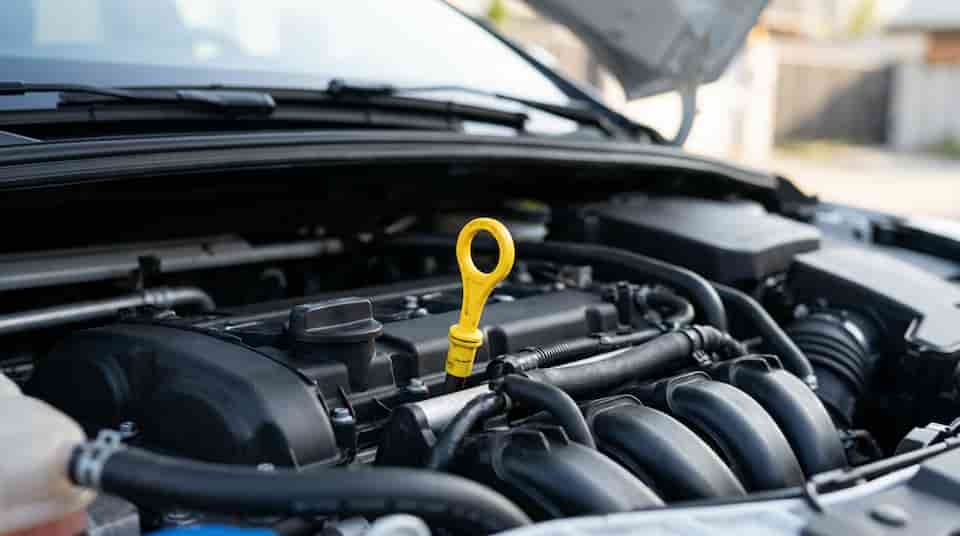
Routine inspections of your vehicle's cooling system can help you catch small problems before they grow into larger, more costly repairs. Inspect the engine area before and after starting the vehicle, paying attention to any signs of leaks or new damage. Check that belts and hoses are securely attached to their connection points and that the fan spins freely without contacting its surroundings.
While driving, glance at the temperature gauge periodically to confirm the cooling system is doing its job. Your engine may run warmer during hot weather, but the cooling system should bring temperatures back to a normal range. If the gauge stays consistently high or moves past the halfway mark, pull over safely and address the issue before the engine overheats.
Frequently Asked Questions
How often should you flush your car's cooling system?
A common guideline is to flush your cooling system every 30,000 miles or every two years, but your owner's manual will have the most accurate schedule for your specific vehicle. Driving in extreme heat or stop-and-go traffic may require more frequent flushes.
What are the signs of a cooling system problem?
Common signs include a rising temperature gauge, visible coolant leaks under the vehicle, a sweet smell near the engine, low coolant levels in the expansion tank, or discolored and murky coolant. If you notice any of these, have your cooling system inspected promptly to avoid engine damage.
Can you mix different types of coolant?
Mixing different types of coolant is generally not recommended, as the chemical formulations can react and reduce the fluid's effectiveness. Always check your owner's manual for the correct coolant type and stick with it when topping off or flushing the system.
Keep Your Engine Cool With Routine Maintenance
Routine maintenance of your car's cooling system helps keep your engine running reliably every time you get behind the wheel. Now that you know the key steps for monitoring coolant levels, inspecting components, and following service intervals, you can stay ahead of potential issues and keep your vehicle in strong working condition.
If your vehicle has been in a collision and you are concerned about cooling system damage, the team at Crash Champions can help. Find your nearest Crash Champions location to schedule a free estimate.
The information in this article is provided for educational purposes and may not reflect every situation. While we strive for accuracy, this content is general guidance, not a substitute for visiting your local collision repair provider. For questions about your specific vehicle or repair needs, contact your local Crash Champions team.