How to Perform a Basic Car Inspection
A basic car inspection can tell you a lot about a vehicle's condition before you commit to buying it. Whether you are preparing for a state-mandated emissions test, a safety inspection, or evaluating a used car, understanding what to look for gives you a clear advantage. Use the guide below to learn about the different types of car inspections and how to perform a basic one yourself.
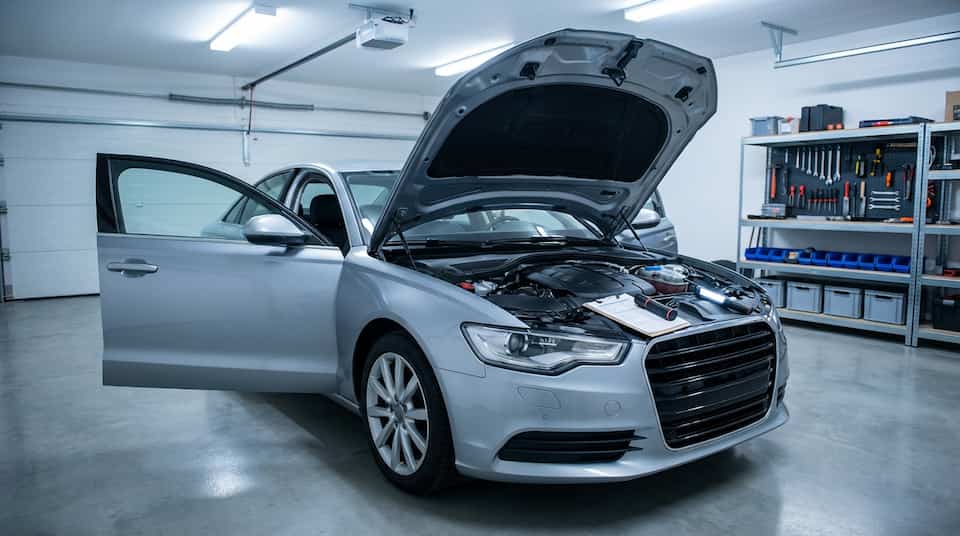
Types of Car Inspections
Several types of car inspections exist, and each one evaluates your vehicle against a different set of standards. Passing one inspection does not guarantee your vehicle will pass another. Here is what you should know about the most common types of inspections your car may require.
Emissions Inspection
An emissions inspection, sometimes called a smog test, measures whether your vehicle meets the emissions standards set by your state. The result is either "pass" or "fail." Not every state requires emissions testing, and testing intervals vary among states that do.
Emissions inspections typically take 15 to 30 minutes. A technician will test your vehicle at various speeds to confirm the emissions system is working properly. If your check engine light is on, your vehicle will automatically fail the test.
Vehicle Safety Inspection
A vehicle safety inspection evaluates whether your car is safe to drive on public roads. Many states require vehicles to pass a safety inspection before you can renew your registration. Depending on your state, this inspection may happen at the same time as an emissions test or separately.
Safety inspections typically cover your vehicle's steering, brakes, lights, tires, and seatbelts. Like the emissions test, the result is "pass" or "fail." If your car fails either the emissions or safety inspection, or both, you need to fix the underlying issue before returning for a second inspection.
Complete Vehicle Inspection
A complete vehicle inspection is a bumper-to-bumper review of your entire car. Unlike emissions or safety inspections, a complete inspection examines every major system and component. These inspections come up in several situations, from a dealership purchasing a vehicle at auction to a consumer buying a used car.
For example, brand-new vehicles arriving at a dealership undergo a pre-delivery inspection (PDI). This routine check confirms the car is in proper operating condition and ready for sale. It reduces the chance that you receive a vehicle that is not properly calibrated or functioning.
Dealerships also inspect used cars they take in on trade or purchase from a third party, whether from another dealership, an auction, or any other source. These inspections help the dealership evaluate the vehicle's condition and price it accordingly. Certain issues, especially safety-related concerns such as tires with tread at or below 2/32 of an inch, must be resolved before the vehicle can legally be offered for sale.
Outside of dealerships, independent auto repair shops offer complete vehicle inspections, often advertising them with a specific "point" count. For example, you might see a 220-point vehicle inspection. Although the higher number highlights the thoroughness of the review, most shops typically check the same core components.
If you choose to have your vehicle inspected professionally, it helps to understand the difference between a pre-trip inspection and a comprehensive review. Pre-trip inspections can offer peace of mind, but they are typically not as thorough as a full inspection, which may take a full day rather than a few hours. A comprehensive inspection is especially valuable when you are evaluating a used car for purchase.
How to Perform a Basic Car Inspection
A basic car inspection is a hands-on review of a vehicle's key systems and components that you can perform yourself without formal training. The information you gather helps you determine whether the vehicle needs a professional evaluation or whether you should keep looking for something in better condition. Follow these 10 steps to inspect a vehicle before you buy it:
- Check the lights. Before starting the car, verify that the headlights, fog lights (if equipped), turn signals, brake lights, and reverse lights all work properly.
- Test the windows, doors, and trunk. Roll each window up and down to confirm smooth operation. Open and close every door and the trunk or hatch, and test that the locks engage and release correctly.
- Inspect the tires. Look at the tread depth and sidewalls on all four tires. Check for damage, dry rot, or uneven wear patterns.
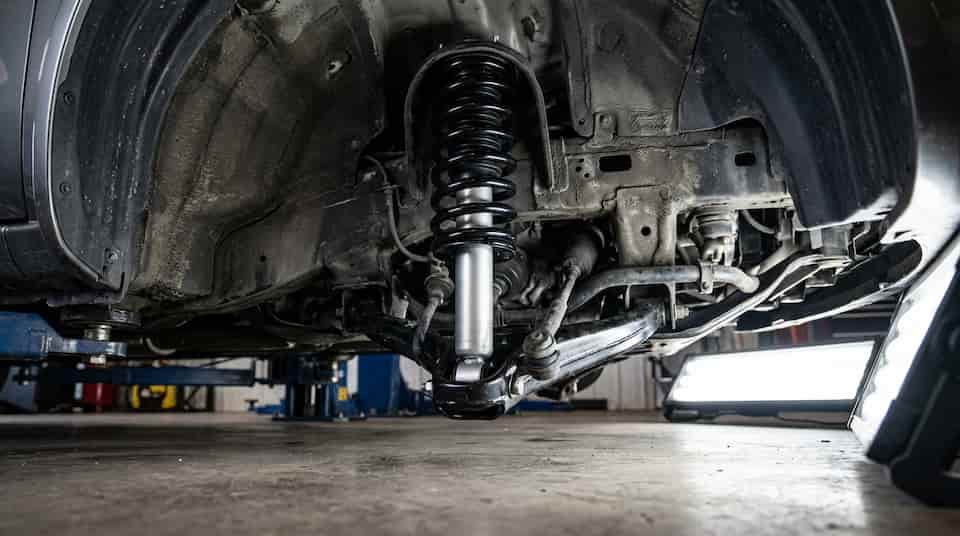
- Examine the underside. Look underneath the vehicle for rust, structural damage, or anything that appears out of place, such as leaking fluids or loose components.
- Check under the hood. Inspect the air filter, wiper blades, belts, and hoses for signs of wear, cracking, or deterioration.
- Review the exterior and VIN. Look for body damage and cracked or chipped glass. Confirm that the VIN on the title matches the VIN on the vehicle.
- Check fluid levels. Review the condition and level of the oil, coolant, power steering fluid, brake fluid, windshield washer fluid, and transmission fluid (if accessible).
- Listen during a test drive. After starting the vehicle, listen carefully for unusual noises such as knocking, squealing, or grinding while driving.
- Test interior features and handling. Operate the infotainment display, climate control, power seats, and brakes. Pay attention to how the vehicle shifts and how the suspension responds over bumps.
- Test the steering and alignment. Find a flat, straight road and note whether the vehicle pulls to one side, which may indicate an alignment issue.
The goal of any vehicle inspection is to identify issues that could point to the need for repairs. It is easy to overlook details as you evaluate a vehicle's condition, so consider bringing someone along for a second set of eyes. Even a friend who is not mechanically inclined can help you spot something you might miss on your own.
Frequently Asked Questions
How long does a basic car inspection take?
A basic car inspection you perform yourself typically takes 30 to 60 minutes, depending on how thoroughly you review each area. A professional comprehensive inspection may take several hours or a full day.
What is the difference between a safety inspection and a complete vehicle inspection?
A safety inspection focuses on whether your vehicle meets your state's minimum requirements for safe road use, such as brakes, lights, and tires. A complete vehicle inspection is a bumper-to-bumper review that evaluates every major system and component, often used when buying or selling a car.
Do you need a professional inspection before buying a used car?
A basic inspection can reveal many surface-level issues, but a professional mechanic can identify hidden problems with the engine, transmission, and other systems that are difficult to evaluate without specialized tools.
Approach Your Next Car Purchase with Confidence
Now that you know how to perform a basic car inspection, you can evaluate your next vehicle purchase with a clear plan. Understanding what each inspection point reveals about a vehicle's condition helps you make a more informed buying decision. If your vehicle has been involved in a collision and needs professional repair, Crash Champions can help. Find your nearest location to schedule a free estimate.
The information in this article is provided for educational purposes and may not reflect every situation. While we strive for accuracy, this content is general guidance, not a substitute for visiting your local collision repair provider. For questions about your specific vehicle or repair needs, contact your local Crash Champions team.