How to Prevent Rust on Your Car
Rust is the orange-brown, flaky residue that forms when metal comes into contact with water and air. If left unchecked, it can cause serious damage to your vehicle's body panels, frame, and structural components. Use the guide below to learn how rust forms, how to prevent it, and what to do if you spot it on your car.
Why Does Rust Form on Cars?
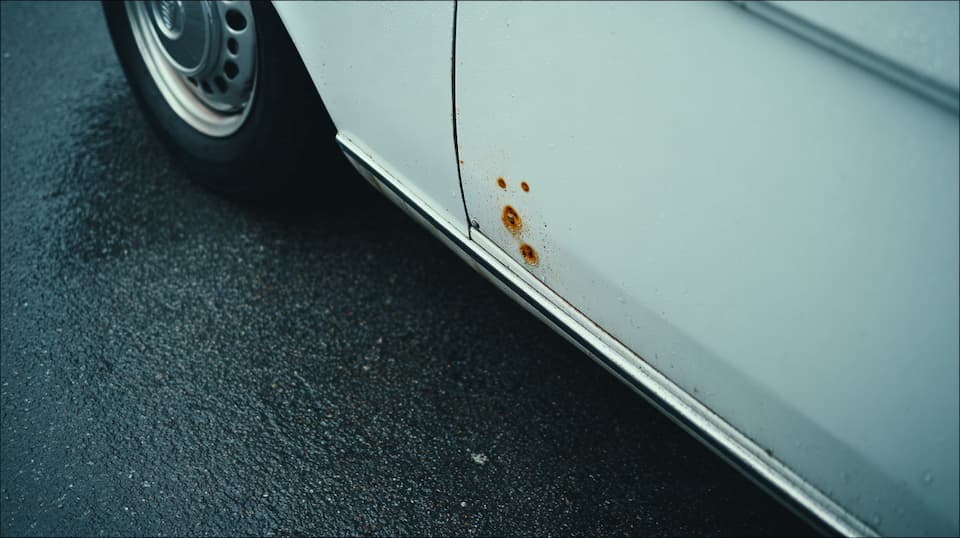
Rust is a form of iron oxide that occurs when iron in your vehicle's metal panels combines with water and oxygen in the air. The water molecules penetrate the metal's pores and trigger a chemical reaction called oxidation. This process is especially common in areas with high humidity, where moisture stays in contact with your car's surfaces for extended periods.
Rain and road salt can speed up rust formation significantly. Once rust takes hold, it expands the metal it forms on and puts pressure on the surrounding molecular structure. Over time, this compromises the strength and durability of the underlying metal, causing pitting and deformation that reduces the metal's longevity. At a minimum, rust is unpleasant to look at. At its worst, it leads to costly damage and weakened structural integrity.
The Rusting Process
Rust formation happens in several stages. It typically begins on the surface, showing up as a slight reddish or orange tint. At this early stage, no flaking occurs, and you can often remove the rust with minimal effort.
As the rust continues to spread, it bubbles the metal's surface. While the metal beneath is not yet flaking off in pieces, it is directly threatened by the corrosion above it. At this stage, you can still remove the existing rust with a wire brush or sandpaper.
Full corrosion is the final stage. The metal deteriorates completely, and pieces begin to fall off, leaving behind imperfections and a weakened patchwork structure. Once rust reaches this point, you cannot simply treat the surface. The damaged metal must be removed and replaced to restore a structurally sound component.
A common misconception is that once rust starts, you cannot stop it. If the rust has only begun to form, you can remove it and protect the area. However, somewhere between the bubbling and crumbling stages, the rust has completely compromised the metal, and professional repair becomes necessary.
How to Prevent Rust on Your Car
Preventing rust on your vehicle comes down to combining regular maintenance habits with proactive protective measures. From keeping your car clean to applying corrosion inhibitors, these steps can help you protect your vehicle's metal surfaces and preserve its value over time.
Regularly Clean and Wash Your Car
Routine car washes help maintain your vehicle's paint, especially if you live in colder climates. Road salt and magnesium chloride (commonly used as a de-icer on winter roads) can degrade automotive paint if they sit on the surface for too long. After washing, dry the paint with a chamois to prevent water spots and lingering moisture.
Keeping the interior of your vehicle clean is just as important as maintaining the exterior. Water or moisture that sits inside the cabin for too long can lead to rust on metal components beneath the carpet and trim. Clean up any spills immediately and let your car air out until it is completely dry.
Wax Your Car Twice a Year
Washing and waxing your vehicle every six months provides a protective barrier against more than just rust. The wax layer shields your paint from UV rays, bugs, hard water, and other road contaminants. It is a cost-effective and relatively easy way to maintain your car's appearance and value.
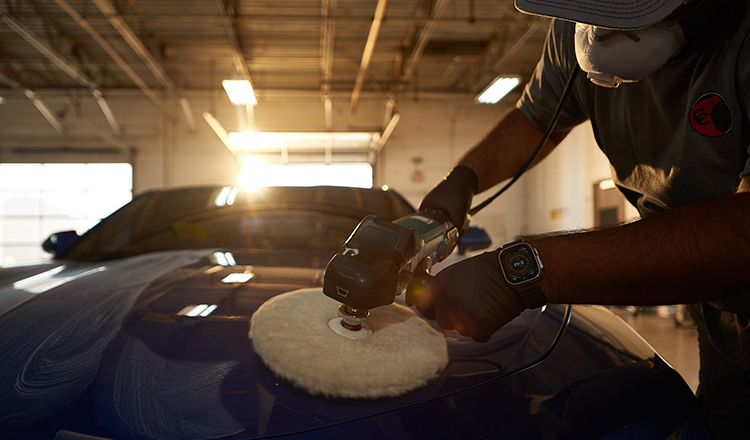
Before you wax your vehicle, wash it thoroughly and remove anything sitting on the paint that should not be there. This includes tar, bugs, tree sap, and any other contaminants. Apply the wax in a cool, shaded area, either by hand or with a buffer, for an even coat.
Research Protective Coatings
Applying a protective coating to the underside of your vehicle can help shield the frame, suspension, drivetrain, and exhaust from road debris and rust. Paint protection film (also known as "clear bra") applied to the exterior paint preserves its condition and is often self-healing when scratched. Ceramic coating can provide an additional layer of protection beyond the factory clear coat. Powder coating components made of mild steel, ferrous metals, or carbon steel can also help prevent corrosion.
Promptly Address Scratches, Dents, and Chips
Damage to your vehicle's paint is part of normal wear and tear, but if you do not address it quickly, exposed metal can develop rust. Regularly inspect your paint for dents, chips, scratches, or cracks and repair them with touch-up paint. Even if the dabs of paint do not blend seamlessly into the factory finish, they still protect the vulnerable metal beneath from moisture and oxidation.
Be Smart About Where You Park
Parking and storing your vehicle in a cool, dry place helps prevent humidity from accelerating rust. A temperature-controlled garage is ideal, but a covered parking spot is significantly better than leaving your car exposed to the elements. Avoid parking beneath leaky roofs or structures where water can drip onto your vehicle.
Ensure Your Car's Interior Is Sealed
Water intrusion from a faulty seal can cause hidden rust damage inside your vehicle. Make sure your car windows and doors seal properly by checking the rubber weather stripping for cracks or gaps. Do not forget to inspect the sunroof or moonroof seals as well, since these are common sources of slow leaks.
Routinely Inspect Your Car's Undercarriage
Whether or not you have applied a protective coating to the underside of your car, routinely inspecting the undercarriage is a good habit. Beyond identifying and repairing any damage you find, you can also catch rust early before it spreads. Applying a rust inhibitor to the undercarriage, even a thin coating, can help keep exposed metal from corroding.
How to Stop Rust That Has Already Started
If your car already has rust, start by checking whether the metal structure underneath is still intact. If the metal below the rust has deteriorated significantly, the damaged section must be removed and replaced by a professional. Attempting to treat surface rust over compromised metal will not provide a lasting repair.
If the rust has not eaten through your car's metal panels, begin by removing the surface rust with sandpaper or a wire brush. Remove as much visible rust as you can. For a clean surface, sand slightly into the intact metal surrounding the affected area.
Next, apply a rust converter to neutralize the remaining corrosion. Clean the area once more, then paint the surface with primer followed by multiple coats of automotive paint. For small areas, a touch-up paint pen or brush works well. Larger areas may require professional refinishing in a paint booth to achieve a factory-quality result.
Frequently Asked Questions
Can you stop rust once it starts on a car?
Yes, you can stop rust if you catch it early. Surface-level rust that has not eaten through the metal can be removed with sandpaper or a wire brush, treated with a rust converter, and sealed with primer and automotive paint. If the rust has compromised the metal's structural integrity, the damaged section needs to be removed and replaced by a professional.
What is the fastest way to prevent rust on your car?
Regular washing is the single most effective habit for preventing rust. Removing road salt, moisture, and contaminants before they sit on your paint keeps the protective clear coat intact. Pairing regular washes with waxing twice a year and promptly repairing any paint chips or scratches gives your vehicle strong protection against corrosion.
Does rust on a car spread if you ignore it?
Yes. Rust is a progressive chemical reaction, and it will continue to spread as long as the affected metal is exposed to moisture and oxygen. What starts as a small surface spot can eventually compromise entire panels or structural components if left untreated. Addressing rust as soon as you notice it helps you avoid more extensive and costly repairs later.
Protect Your Car from Rust Damage
Now that you know how rust forms and how to prevent it, you can take proactive steps to keep your vehicle's metal surfaces protected. If your car has paint damage, scratches, or chips from a collision or everyday wear, addressing them quickly is one of your strongest defenses against rust. Crash Champions offers paint scratch repair and collision repair services to help restore your vehicle's finish and protect exposed metal. Find your nearest location to schedule a free estimate.
The information in this article is provided for educational purposes and may not reflect every situation. While we strive for accuracy, this content is general guidance, not a substitute for visiting your local collision repair provider. For questions about your specific vehicle or repair needs, contact your local Crash Champions team.