How to Replace Car Air Filters
Most modern vehicles rely on two air filters to keep the engine and cabin free from dust, debris, pollen, smog, and other airborne particles. These car air filters work similarly to the HEPA filters you install in your home's HVAC system to improve indoor air quality. Here is how to replace both your engine air filter and cabin air filter to protect your vehicle and your health.
Car Air Filter Types
A car air filter is a replaceable component that traps dust, pollen, and debris before they can enter your engine or cabin. Your vehicle contains two different air filter types: one for the engine and one for the cabin. Disposable air filters for both applications are the most common option, but reusable air filters that you wash periodically can be more cost-effective over time. Washable filters require a few extra maintenance steps, but the savings can add up quickly.
Engine Air Filters
Your car's engine air filter allows clean air to enter the combustion chamber for the proper air-to-fuel mixture. A dirty or clogged engine air filter restricts airflow, which can reduce fuel efficiency and engine performance. Engine air filters come in various shapes and materials depending on your vehicle.
Common engine air filter shapes include:
- Flexible panel: Made from flexible materials in a polyurethane frame, these filters are common and easy to install but more fragile than rigid options.
- Rigid panel: This type features synthetic materials within a structured frame and may require a separate gasket for a proper seal.
- Conical: Certain trucks use conical air filters shaped like cones to handle higher airflow demands.
- Round: Common in classic cars, round filters promote even airflow but are not as efficient as modern filter designs.
Engine air filters also differ by material:
- Paper: Most car air filters use paper fibers, which provide strong filtration and airflow at an affordable price.
- Foam: Standard on motorcycles and recreational vehicles (ATVs, UTVs), foam filters are lightweight and easy to clean.
- Synthetic: An upgrade from paper, synthetic media filters offer increased durability and performance.
To find the right engine air filter for your car, run a quick online search or visit your local auto parts store. Input your vehicle's make and model to determine the correct filter fitment. Once you have the replacement filter, check your owner's manual for the engine air filter's location.
Cabin Air Filters
A cabin air filter cleans the air that flows through your vehicle's heating and air conditioning vents, trapping pollen, dust, and odors before they reach you. You can typically find your cabin air filter in one of three places: behind the glove box, within the dash, or near the engine firewall under the hood. Most cabin air filters look similar to pleated engine filters. Finding the correct replacement requires the same approach: match your vehicle's make and model at an auto parts store or through an online search.
How to Replace Your Engine Air Filter
Replacing your engine air filter is one of the simplest DIY maintenance tasks you can perform. Engine air filters are typically located on either side of the engine bay, often inside a large square or rectangular box. Once you have located yours, follow these steps:
- Undo any fasteners (snaps or screws) that keep the lid of the air filter housing in place.
- Remove the lid and the air filter inside. Before pulling it out, note how the filter is oriented.
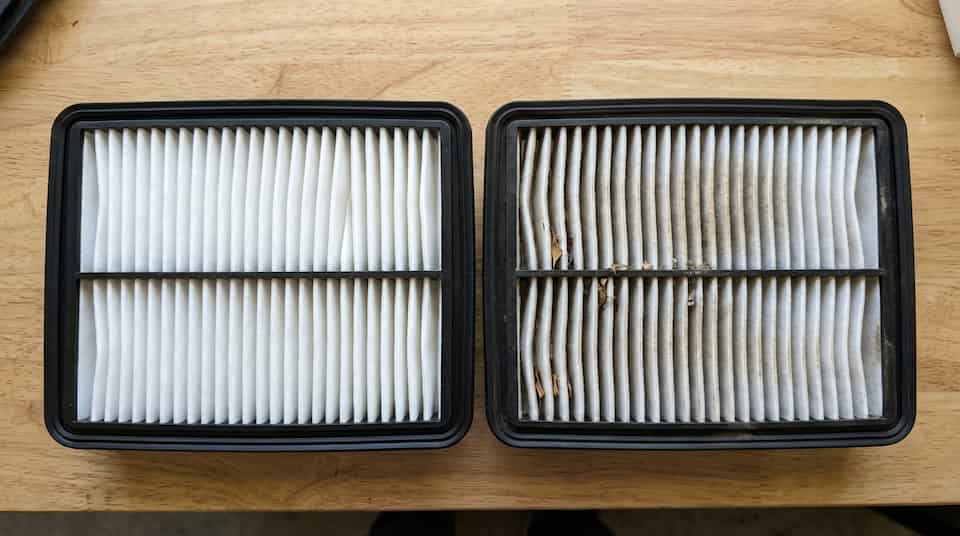
- Inspect the old filter and compare it to the new one. If you notice a significant difference in color or debris buildup, replace the filter immediately. Otherwise, use your judgment.
- Clean the area around the filter housing by vacuuming or wiping surfaces to promote proper airflow.
- Install the new air filter in the same orientation as the old one and replace the lid.
- Fasten any screws or snaps on the lid of the air filter housing.
Record when you replaced the engine air filter. Writing down the date and mileage helps you gauge how long air filters last in your vehicle so you can prepare for the next replacement.
How to Replace Your Cabin Air Filter
Your owner's manual can help you locate the cabin air filter and provide instructions for accessing it. Since most cabin air filters sit behind the glove box, here is how to replace them:
- Remove the glove box by freeing it from any clips or unscrewing it from the dash. Set it aside.
- If the cabin air filter is not immediately visible, unlatch the door to the cabin air filter housing to access it. Refer to your owner's manual for specifics.
- As you remove the cabin air filter, note how it is oriented. Most filters include arrows on the frame that indicate the airflow direction.
- Inspect the old cabin air filter and compare it to the new one. If you see a significant difference, replace it right away.
- Before installing the new cabin air filter, remove any debris or dust from the area to promote better airflow. Make sure the new filter faces the same direction as the old one.
- Close the access door to the cabin air filter housing (if applicable) and reinstall the glove box.
Add the date and mileage of the cabin air filter replacement to your maintenance records so you can track when the next change is due.
When to Replace Car Air Filters
Most manufacturers recommend replacing your engine air filter every 15,000 to 30,000 miles and your cabin air filter every 15,000 to 25,000 miles, but intervals vary based on driving habits and air quality in your area. Your owner's manual includes suggested intervals specific to your vehicle. A good habit is to inspect your engine air filter every time you change your oil.
You can typically wait longer between cabin air filter changes. Signs it might be time for a new cabin air filter include:
- Your climate control system makes excessive noise
- Airflow from the vents feels weak or reduced
- The air has a persistent musty smell or foul odor
If a dealership or mechanic recommends an air filter replacement, ask to see the old filter before agreeing to the service. A visual comparison helps you make an informed decision.
Frequently Asked Questions
How often should you replace your car air filters?
Most manufacturers recommend replacing your engine air filter every 15,000 to 30,000 miles and your cabin air filter every 15,000 to 25,000 miles. However, if you drive frequently in dusty or high-pollution areas, you may need to replace them sooner. Check your owner's manual for the intervals specific to your vehicle.
What happens if you don't replace your car air filter?
A clogged engine air filter restricts airflow to the combustion chamber, which can reduce fuel efficiency, lower engine performance, and cause rough idling. A dirty cabin air filter allows dust, pollen, and odors to enter the passenger compartment, which can trigger allergies and make your climate control system work harder.
Can you clean and reuse a car air filter instead of replacing it?
If your vehicle uses a washable, reusable air filter, you can clean it according to the manufacturer's instructions and reinstall it. However, most factory-installed air filters are disposable paper or synthetic filters designed for single use. Attempting to wash a disposable filter can damage the filter media and reduce its effectiveness.
Breathe Easy With Clean Car Air Filters
Replacing your car's engine and cabin air filters improves airflow and air quality without a major expense. Installing new air filters is one of the more manageable DIY auto maintenance tasks you can master to save money. The next time you get behind the wheel, you can feel confident you are breathing fresh air through filters you installed yourself.
If your vehicle needs collision repair or body work after an accident, the team at Crash Champions is here to help. Find your nearest Crash Champions location to schedule a free estimate.
The information in this article is provided for educational purposes and may not reflect every situation. While we strive for accuracy, this content is general guidance, not a substitute for visiting your local collision repair provider. For questions about your specific vehicle or repair needs, contact your local Crash Champions team.