Long-Term Vehicle Storage: Best Practices to Protect Your Car
Storing your vehicle for long periods helps ensure its safety and security during the winter months, while you're on vacation, or when you relocate for work or a military assignment. However, there's more to long-term vehicle storage than simply parking your car. The guide below explores how to prepare your vehicle for long-term storage so it's ready to drive as soon as you get back.

How to Prepare Your Car for Long-Term Storage
Long-term vehicle storage means leaving your car parked and unused for three to four months or longer. This is different from leaving your car at the airport for a week or two. When your vehicle sits for extended periods without proper preparation, components like the battery, tires, fuel system, and paint can deteriorate. Use the steps below to prepare your car so it stays in good condition until you are ready to drive again.
Fill the Gas Tank
It may sound wasteful to fill your gas tank before storing your vehicle, but the presence of fuel can actually ward off moisture buildup. Any moisture or air in the system can contribute to condensation, which can eventually rust the gas tank. It is also a good idea to add a fuel stabilizer to the full tank. Fuel stabilizers prevent gasoline from breaking down during storage, keeping it usable for several months.
Change the Oil
Since your car will be sitting for months, perform a pre-storage oil change to ensure the metal internals have clean lubricant flowing through and over them. Even oil that is only a few months old can contain contaminants that are better removed from the system. Plan to change the oil again before taking the car out of storage and driving it, unless you use synthetic oil, as it holds up longer than a synthetic blend or conventional oil.
Charge the Battery
Car batteries can lose voltage if they sit for long periods because the alternator cannot recharge them while the vehicle is parked. If you want to keep the battery in the car without disconnecting it, use a battery maintainer or trickle charger to sustain the charge until you are ready to drive again. A battery maintainer is a small device that plugs into a wall outlet and connects to your battery terminals, delivering just enough current to keep the battery at full charge without overcharging. If you remove the battery from the vehicle, keep it on a charger so you do not have to purchase a new one later.
Protect the Wiper Blades
Even if you do not live in a warm climate, the rubber on your wiper blades can deteriorate over time and potentially stick to the windshield. To prevent this premature wear, place a piece of plastic or thin cloth between the blades and the glass. You can also remove the blades completely, but be careful not to let the blade arms contact the glass with force, as they can crack or chip the windshield.
Plug Any Openings
Storing your car for a few months does not automatically make it a barn find, but to the many rodents, spiders, and other critters roaming around, it could be the perfect place to call home. Plug any openings or outlets, including the exhaust pipe and air intake, to prevent these creatures from working their way into your vehicle and creating a mess. Sealing up openings with steel wool, tape, or aluminum foil also helps keep debris out.
Elevate Using Jack Stands
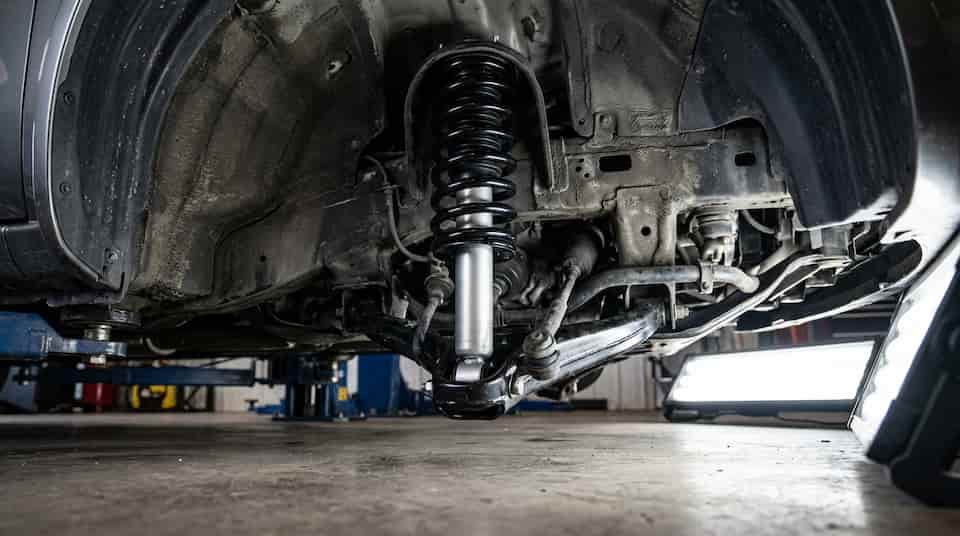
If your car sits on the same spot on its tires for more than three or four months, the rubber can develop a permanent flat spot. For this reason, it is a good practice to put the car on jack stands and remove the wheels and tires, storing them separately until you are ready to drive again. If you prefer to keep the wheels and tires on the car, chock the wheels instead of engaging the parking brake to prevent the brake pads from bonding to the rotors over time.
Clean the Interior and Exterior
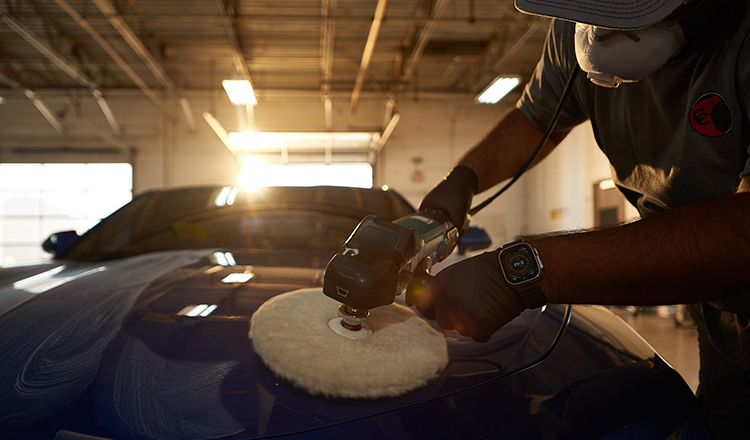
You will likely clean your car before and after storing it. Detailing the interior and exterior before storage helps ward off unpleasant smells, deter critters from seeking out any food scraps that remain, and protect your car's finish and longevity. Wash and wax the outside while vacuuming and wiping up the interior, and remove anything you do not want damaged during storage.
Park on a Tarp
Regardless of where you park your vehicle for long-term storage, it is a good idea to put down a tarp first. This barrier can help prevent spills or leaks from reaching the concrete or ground beneath and can also help you identify the source of any leaks that may occur. Depending on where you park your vehicle, the tarp can also prevent ground moisture from affecting your tires.
Choose Covered, Climate-Controlled Storage
Storing your vehicle in a climate-controlled area significantly improves your chances of protecting its condition and value. If you do not have access to a climate-controlled long-term car storage facility, parking your car inside a building, such as a barn, garage, or other indoor storage space, keeps the elements off of it. Car covers can help protect vehicles that must stay outside without shelter, and inflatable storage capsules offer another option by creating a barrier that does not contact the vehicle at all.
How to Take Your Car Out of Storage
In some ways, taking your car out of storage is the reverse of putting it in. Before you start making changes, perform a quick visual inspection to diagnose any issues that may be present. It is better to assess the situation as it stands before you change any variables that could help you determine the root cause of any problems you uncover.
For example, if you notice that one of the tailpipes is open when you clearly remember plugging it before storage, this could be evidence of a critter that made a home in your vehicle and may still be there. If you can scare that critter out before you start the engine, that is always better than finding out the hard way. Another example is a fluid leak that may indicate you need to make repairs before starting the engine.
If you filled the gas tank and changed the oil before parking the car, drain both and replace them before driving. If you removed the wheels and tires, remount them. Make sure the battery is charged, the wiper blades are free of their protective covering, and any openings that were plugged are now clear.
Keep Your Vehicle Protected During Long-Term Storage
Leaving your car parked for months without preparation can lead to preventable issues like flat-spotted tires, drained batteries, and rust. Taking the time to properly prepare your vehicle for storage helps ensure it is as functional the day you take it out as the day you parked it.
Frequently Asked Questions
How long can a car sit without being driven before problems start?
Most vehicles can sit for about two weeks without issues. After three to four months of inactivity, you may start to see problems like a dead battery, flat-spotted tires, and degraded fuel. Preparing your car with the steps above helps prevent these issues during extended storage.
Should I start my car periodically during long-term storage?
If possible, starting your car and letting it run for 10 to 15 minutes every two weeks can help keep the battery charged, circulate fluids, and prevent flat spots on the tires. If you cannot start it regularly, using a battery maintainer and placing the car on jack stands are effective alternatives.
Do I need to change the oil before and after storing my car?
Yes, changing the oil before storage removes contaminants that can corrode engine components while the car sits. If your vehicle has been stored for several months, changing the oil again before driving helps ensure clean lubrication throughout the engine.
If your vehicle has been in storage and you notice paint damage, dents, or other body issues when you bring it back on the road, Crash Champions can help restore it to its pre-storage condition. Find your nearest location to schedule a free estimate.
The information in this article is provided for educational purposes and may not reflect every situation. While we strive for accuracy, this content is general guidance, not a substitute for visiting your local collision repair provider. For questions about your specific vehicle or repair needs, contact your local Crash Champions team.