Night Driving Tips: 8 Ways to Stay Safe
Most, if not all, driving tests required to earn your driving license require some form of night driving, and for good reason. Driving at night requires you to up your game when scanning the road, assessing the path ahead, and reacting to whatever the darkness may reveal. As you drive more often after the sun goes down, you'll gain valuable experience, but until then, use the tips below to ensure safer trips after dark. The most important night driving tips include slowing down, increasing your following distance, using your headlights correctly, and avoiding glare from oncoming traffic.
Why You Struggle to See at Night
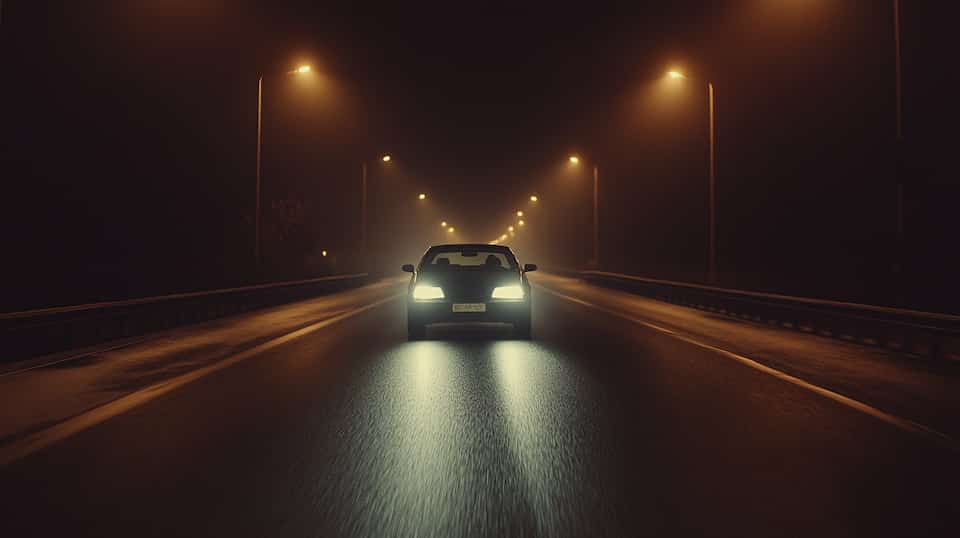
Night driving is more dangerous because reduced visibility limits your reaction time and depth perception. According to the National Safety Council, half of traffic deaths occur after dark. Besides the obvious lack of light, nighttime presents a challenge for many drivers, regardless of experience level. It's a given that you can't see as well as you would normally when the sun is out. However, headlights, streetlights, and any other lights surrounding you can also make discerning the road ahead harder after dark.
Vision is everything when you're driving, but a lack of sight can also give you less time to react to whatever scenario presents itself. For many drivers, that's a wild animal that pops up from the side of the road. If your depth perception and peripheral vision aren't up to par, you increase your chances of an accident.
8 Tips for Driving at Night
Practicing your night-driving habits in clear conditions can help you hone your skills. Safely driving at night can also help your auto insurance stay affordable. Keep the following tips in mind to further your education and improve your nighttime driving.
1. Properly Maintain Your Vehicle
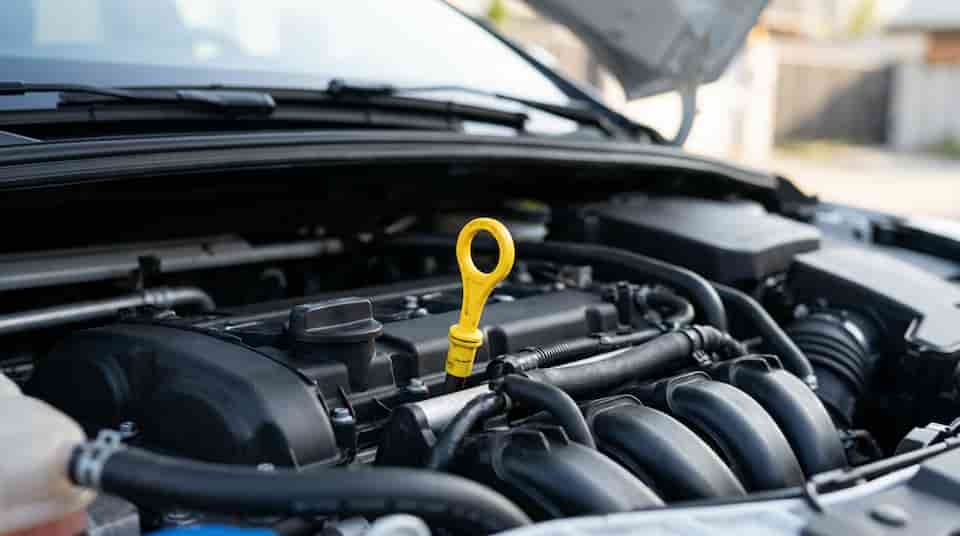
Vehicle maintenance should be a priority, regardless of what time of day you drive. However, routine maintenance can help you avoid having to fix your car in the dark or getting stranded. Clean glass is also important for keeping your vehicle in good condition, so take some time to wipe your dirty windshield down (inside and out) and clean your rearview and side mirrors.
2. Visit the Optometrist
Many drivers require corrective lenses or wear glasses to see well as they drive, so it's important to keep up on your eye doctor visits and update your prescription if necessary. You can also invest in anti-reflective glasses to keep the glare down. While taking well-lit roads improves your vision even further, all those lights mean nothing if you can't see clearly from the get-go.
3. Take Extra Precautions
If you know you're going to drive in the dark, make a plan to ensure you safely arrive at your destination. Plan your trip before you leave home so you know where you're going, noting any prominent landmarks in case you get turned around. Add extra time to your itinerary, and don't rush.
In fact, taking more time to execute basic driving maneuvers will increase your safety factor. Increase the following distance between you and the car in front of you to give yourself more time to react when night driving. Take extra time when merging, changing lanes, braking, turning, or stopping.
4. Know Your Limits
One of the most invaluable driving instincts you gain is knowing when it's time to pull over and hang up the keys. If you don't feel you can safely drive any longer at night, pull over. Don't push your limits and put yourself and others at risk.
If possible, avoid driving at night. Be aware of driver fatigue and know when to ask for help. The National Highway Traffic Safety Administration (NHTSA) advises getting a good night's sleep to avoid drowsy driving.
5. Slow Down
In addition to taking extra time to arrive at your destination, slow down and focus on remaining alert, even if it means driving slightly below the speed limit. Your ability to see anything beyond what's lit around you is limited, so pay extra attention. With a reduced reaction time, every second could count.
In practice, this looks like becoming a defensive driver. Scan intersections and crosswalks before you arrive at them, especially on two-lane highways. Keep an eye out for wildlife that could charge into your path at a moment's notice.
6. Learn How to Use Your Lights
Operating your car's lights is a requirement on most driver's license tests, but it's worth reviewing how your particular car's lights work before you get behind the wheel. Ensure you know the difference between the parking lights, low beams, high beams, and fog lights. If you have auxiliary lights mounted on your vehicle, review how to use them.
In some vehicles, you may need to aim your headlights to ensure they sit at the proper level and point in the correct direction. Use your high beams when no other cars are around, but turn them off when you see another vehicle to avoid blinding oncoming drivers. Dimming your dashboard lights can also help improve your night vision.
7. Avoid Glare From Oncoming Headlights
Many drivers struggle to learn how to properly avoid the headlights of oncoming traffic, which can temporarily blind nighttime drivers. As tempting as it might be to wear sunglasses to avoid the bright light, reducing your vision shouldn't be your end goal. Instead, use these techniques to manage glare from oncoming vehicles:
- Look toward the center of your lane to maintain your vehicle's path without staring directly at oncoming lights.
- Use the right-hand edge of the road (where the fog line is) as a guide to maintain direction.
- Adjust your side mirrors to ensure drivers behind you aren't unintentionally blinding you with their headlights.
8. Never Drink and Drive
The last thing you want to do when driving at night is decrease your ability to react appropriately, see the path ahead, and make intelligent driving decisions. Avoid drinking and driving by investing in a rideshare or calling a friend to pick you up. Driving distracted can be just as deadly as driving while intoxicated, so remove any distractions from the equation while driving at night.
Mastering Night Driving
Venturing out at night may seem intimidating when you start driving, but even seasoned drivers need help navigating familiar streets when the stars come out. Implementing the tips above into your nighttime driving routine can improve your safety and keep other drivers safe as well. The next time you drive after dark, you can relax knowing you've got the skills to handle whatever comes your way.
If your vehicle needs repair after a nighttime incident, Crash Champions is here to help. Find your nearest location to schedule your free estimate.
Frequently Asked Questions
Is it harder to drive at night?
Yes. Reduced visibility limits your depth perception and reaction time, making it harder to spot hazards. According to the National Safety Council, half of all traffic deaths occur after dark, even though less driving happens at night.
How do you avoid glare from oncoming headlights?
Focus your eyes toward the center of your lane or the right-hand edge of the road rather than looking directly at oncoming lights. You can also adjust your side mirrors to reduce glare from vehicles behind you.
What should you do if you get into an accident at night?
Move to a safe, well-lit area if possible, call 911, and document the scene with photos. Once you're ready to get your vehicle repaired, you can schedule a free estimate at your nearest Crash Champions location.
The information in this article is provided for educational purposes and may not reflect every situation. While we strive for accuracy, this content is general guidance, not a substitute for visiting your local collision repair provider. For questions about your specific vehicle or repair needs, contact your local Crash Champions team.