Vehicle Inspections: Types, Costs, and What to Expect
Regularly inspecting your vehicle can save you time, money, and headaches, especially if you drive an older car. Many drivers wait until something goes wrong to schedule an inspection, but a routine check-up could prevent that visit. Vehicle inspections can also work in your favor if you're purchasing a car through a private party or plan on taking a road trip in the next month or two.
Why Are Regular Vehicle Inspections Important?
Regular vehicle inspections catch small problems before they become costly repairs, helping you stay safe and avoid unexpected expenses. The purpose of a routine inspection mirrors the reason you schedule an annual appointment with your physician: preventative care. Similar to your physical body, your car relies on various systems to perform at full function. An inspection evaluates how well those systems work and what areas need attention.
The proactive approach of a vehicle inspection can minimize surprises before they become significant issues. For instance, an inspection might uncover a small crack in your radiator leaking coolant. Replacing the radiator and topping off the coolant can prevent a small leak from leading to an overheated engine and costly repairs.
Similarly, annual vehicle inspections may indicate an expensive component is close to wearing out. If you don't have room in your budget at the moment to address the concern, you can better prepare for repair costs with more time. This heads-up can significantly reduce the financial strain of automotive repairs and minimize any related stress.
Who Performs Vehicle Inspections?
You can get a vehicle inspection at a dealership or an independent mechanic. At a dealership, technicians inspect motor vehicles before they are offered for sale, as well as customer vehicles that come in for diagnostics or routine maintenance. Independent mechanics inspect cars for similar reasons.
How Much Does a Vehicle Inspection Cost?
The type of vehicle inspection determines the final bill. If your car is already in the shop, technicians may perform a quick once-over as part of their service. The cost of diagnostic and pre-purchase inspections can be fixed or based on an hourly shop rate.
Types of Vehicle Inspections
The three main types of vehicle inspections are basic inspections for routine maintenance, diagnostic inspections to identify a specific problem, and pre-purchase inspections (PPI) to evaluate a vehicle before buying it. At the core, vehicle inspections share similar processes and checklist points. However, inspection types vary based on how thorough an evaluation your vehicle undergoes.
Basic Car Inspection
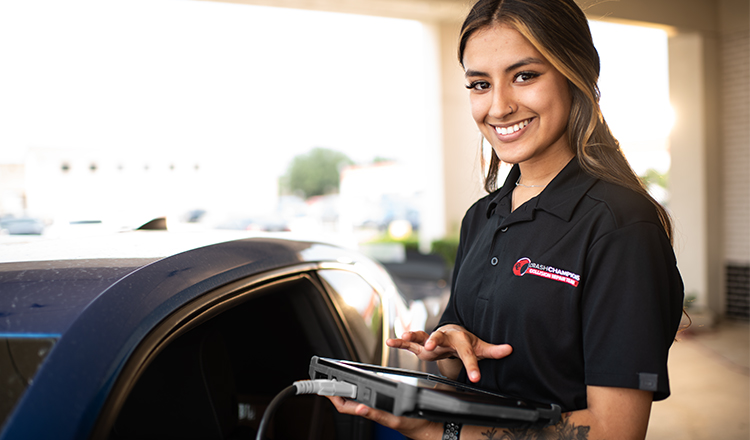
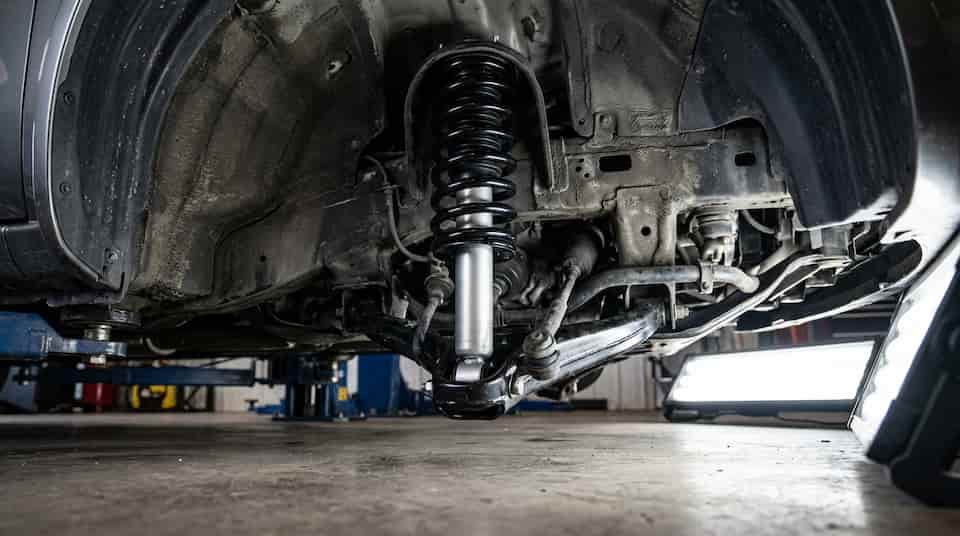
Your basic car inspection can be done annually or before a long road trip. Technicians tend to perform this type of inspection visually, looking for leaks, broken components, and other unusual signs. A basic inspection may include time on the lift to view the undercarriage or a road test to determine if the car drives safely.
Diagnostic Inspection
When your car undergoes a diagnostic inspection, it's typically motivated by a concern. For example, if your car doesn't idle properly, a diagnostic inspection attempts to track down the root of the issue. Since these types of vehicle inspections vary greatly in terms of the time they take to complete, they tend to cost more than other types of inspections.
Pre-Purchase Inspection
Before you buy a car from a third party, it's a good idea to get a pre-purchase inspection (PPI), even if the car has a clean title and service history. Since these vehicles lack traditional warranties, potential buyers have little recourse should something go wrong. In addition to shedding light on potential issues, PPIs can also act as a bargaining chip.
A PPI entails a more thorough review of the car's condition than your basic road trip glance-over. The PPI report can also include estimated repair costs to help you determine if the asking price reflects the vehicle's value. Buyers tend to shoulder the cost of a PPI, but splitting the bill can benefit the seller if they want a copy of the PPI report.
State and Insurance Inspections
Depending on local regulations, your car may have to undergo a state inspection or insurance inspection. In addition to a state inspection, insurance companies may require your car to be inspected before offering coverage.
A state inspection evaluates your vehicle's safety and can also include a VIN inspection if you are switching registration from one state to another. For example, the Cleveland, Ohio, metro area requires emissions inspections, the District of Columbia requires emissions inspections every other year, and the state of Texas requires safety and emissions testing. Your local motor vehicle agency typically coordinates state and VIN inspections, so check their website for exact requirements.
What Does a Vehicle Inspection Include?
A standard vehicle inspection covers your battery, lights, tires, brakes, fluids, filters, belts, suspension, engine, transmission, electrical systems, and safety equipment like seatbelts and airbags. Vehicle inspections typically include all or most of the following:
- Battery: Technicians will check the battery's charge to ensure it's functioning correctly.
- Lighting: A thorough check of your car's headlights (running lights, low/high beams), turn signals, brake lights, reverse lights, and license plate lights will reveal any burnt-out bulbs.
- Tires: A technician will check the pressure of each tire (and the spare, if applicable), the tread depth, and the wear pattern to ensure proper alignment.
- Engine oil: Even if the oil was recently changed, reviewing its condition can tell a technician more about the engine's health.
- Brakes: A road test can reveal how the brake pedal feels, but a visual inspection of the brake pads and rotors can also indicate whether they need replacing.
- Fluids: Technicians will analyze the power steering, brake, coolant, and transmission fluid and check for leaks or low fluid levels.
- Filters: Inspections also include a visual review of the engine and cabin air filters.
- Belts and hoses: Belts and rubber hoses should be supple and firmly attached.
- Suspension: Technicians will review your vehicle's alignment and inspect struts, shocks, springs, ball joints, and bushings.
- Engine: Listening to an engine's sounds can help technicians evaluate its health. Exhaust smoke, idle, and lights on the gauge cluster can also provide clues.
- Transmission: Technicians evaluate how the car shifts, including the state of the clutch in manual transmissions.
- Electrical: Interior lights, audio components, and the HVAC system should all function properly.
- Safety: This inspection point includes a review of the seatbelts, airbags, and the horn.
Most dealerships and independent auto repair shops list specifically what's included in their inspection. Ask for a blank copy of the vehicle inspection list to review what will be covered.
Add Vehicle Inspections to Your Routine Car Maintenance
Vehicles are complex machines with several moving parts that can quickly drain your savings if you're unprepared to pay for repairs. A routine vehicle inspection can help you evaluate your car's condition and prepare for any repairs down the road.
If a vehicle inspection uncovers collision-related damage, like dents, paint damage, or cracked glass, Crash Champions is here to help. Find your nearest location to schedule a free estimate.
Frequently Asked Questions
How often should you get a vehicle inspection?
You should get a vehicle inspection at least once a year or before a long road trip. If you notice unusual sounds, warning lights, or changes in how your car drives, schedule a diagnostic inspection sooner.
How much does a vehicle inspection cost?
The cost depends on the type of inspection. A basic inspection may be included with routine service, while diagnostic and pre-purchase inspections typically cost more based on the shop's hourly rate or a flat fee.
What is a pre-purchase inspection?
A pre-purchase inspection (PPI) is a thorough evaluation of a vehicle's condition before you buy it from a private party. The report can reveal hidden issues and include estimated repair costs, giving you leverage to negotiate the price.
The information in this article is provided for educational purposes and may not reflect every situation. While we strive for accuracy, this content is general guidance, not a substitute for visiting your local collision repair provider. For questions about your specific vehicle or repair needs, contact your local Crash Champions team.