What Is Brake Fluid? Types, Signs & When to Change
Modern cars rely on various fluids to function correctly, from engine oil and coolant to power steering and brake fluid. Brake fluid plays a critical role in your vehicle's braking system, transmitting the force from your brake pedal to the brake pads that stop your wheels. Understanding how brake fluid works, what types exist, and when to replace it can help you stay safe on the road.
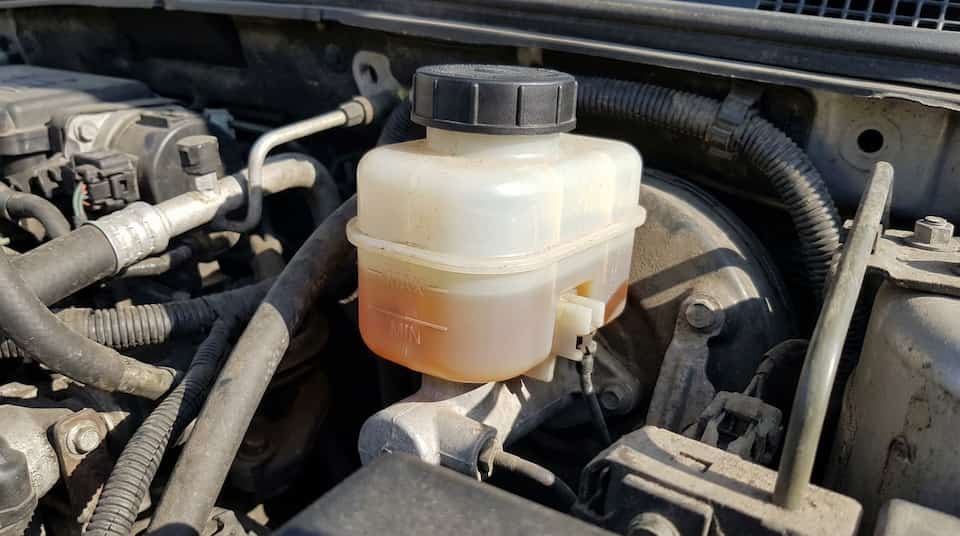
What Is Brake Fluid?
Brake fluid is a type of hydraulic fluid that transfers the force you apply to the brake pedal into the pressure needed to slow and stop your vehicle. It works under high pressure and temperatures without compressing, which allows it to move force reliably through a sealed system. Specifically, brake fluid transmits pressure from the brake master cylinder to the brake caliper pistons, which clamp the brake pads against your car's brake rotors to create the friction that stops your wheels.
Types of Brake Fluid
Despite its universal purpose, brake fluid comes in several variants. Here are the most common types:
- DOT 3: One of the most common types of brake fluid, DOT 3 is glycol-based. It has a lower boiling point compared to other types and absorbs water over time, which can reduce its effectiveness in transmitting pressure to your brake components.
- DOT 4: Also glycol-based, DOT 4 has a higher boiling point than DOT 3 and performs slightly better under demanding conditions. Most vehicles that do not call for DOT 3 recommend DOT 4 instead.
- DOT 5: Unlike DOT 3, 4, and 5.1, DOT 5 is silicone-based, meaning it does not absorb water. It has the highest boiling point of the group but is less common in everyday vehicles.
- DOT 5.1: This glycol-based fluid is commonly used in electric and European performance vehicles. It offers a high boiling point similar to DOT 5 while remaining compatible with glycol-based systems.
If you are unsure which type of brake fluid your vehicle needs, check your owner's manual. You can also look at the cap on the brake master cylinder reservoir, which is typically located under the hood near the firewall in most vehicles. The cap usually lists the recommended fluid type.
How Brake Fluid Works
Your brake pedal sits at one end of the braking system, and the brake pads and rotors sit at the other. Brake fluid is the liquid medium that travels through the brake lines and activates the components that stop your vehicle. Here is how the braking process works, step by step:
- You press the brake pedal to slow or stop your vehicle.
- The brake pedal connects to a linkage system that transfers your movement to the brake master cylinder and applies pressure to the piston inside.
- The brake master cylinder piston builds pressure and pushes fluid through the brake lines to the brake calipers.
- The pressurized fluid forces the brake caliper pistons outward, squeezing the brake pads against the brake rotor.
- As the brake pads engage with the spinning rotor, friction slows the wheels and brings your car to a stop.
If there is a leak in a brake line or anywhere else in the system, it loses pressure. Small leaks may go unnoticed at first, but when enough brake fluid escapes, the system can fail to build sufficient pressure. This can leave you with reduced or no stopping power, which is a dangerous situation that requires immediate attention.
Signs of Low Brake Fluid
Low brake fluid usually points to a leak or worn brake components, and it can compromise your ability to stop safely. Here are common warning signs that your brake fluid level may be low.
Illuminated Brake Warning Light
Most vehicles are programmed to turn on the brake warning light on your dashboard when the brake fluid level drops below a safe threshold. A faulty sensor can also trigger this light, so it is important to check the fluid level directly. Low brake fluid can indicate a leak or a connection in the system that is not properly sealed.
If your brake warning light comes on, park your vehicle over a tarp or flattened cardboard box and top off the fluid. After a few hours, return and check underneath for signs of leaking fluid. If you do not find any visible leaks, schedule an appointment with a qualified repair shop for a closer inspection.
Spongy or Stiff Brake Pedal
A brake pedal that feels spongy, soft, or unusually stiff signals a problem with the brake system's ability to build pressure. This can also stem from an air pocket trapped in the brake lines, which interferes with proper fluid compression. Low brake fluid is a common cause because, without enough fluid to deliver the necessary pressure, the total braking force is reduced.
Longer Stopping Distance
Low brake fluid levels can increase both the time and distance it takes to stop your vehicle. With less fluid in the system, there is less hydraulic force available to push the brake pads against the rotors. You may notice that you need to press the brake pedal harder or earlier than usual to come to a complete stop. If your stopping distance has increased noticeably, have your brake fluid level and overall brake system checked as soon as possible.
When to Change Brake Fluid
Brake fluid generally lasts longer than many other automotive fluids, so you do not need to replace it as frequently as engine oil. Most manufacturers recommend changing brake fluid every two to three years, but your specific interval depends on your vehicle and driving conditions. Check your owner's manual for the recommended replacement schedule.
A visual inspection can also tell you about the condition of your brake fluid. When brake fluid is fresh, it is typically clear or has a slight yellow, amber, or green tint. As it ages and absorbs moisture or contaminants, it gradually darkens. You should have your brake fluid replaced when it turns dark brown or black. If you live in a humid climate, your brake fluid may deteriorate faster as it absorbs water from the air. In addition to checking the color, you can have a technician test for copper content, which is another indicator of fluid degradation.
Keep Your Brakes and Your Vehicle in Safe Condition
Brake fluid and engine oil are two of the most important fluids that keep your car running safely. As you inspect and maintain one, add the other to your checklist. Staying on top of these fluid checks can extend the life of your vehicle and help you avoid costly repairs down the road.
Frequently Asked Questions
How often should you change your brake fluid?
Most vehicle manufacturers recommend replacing brake fluid every two to three years, but you should check your owner's manual for the interval specific to your car. If your brake fluid has turned dark brown or your brake pedal feels spongy, it may be time for a change regardless of mileage.
What happens if you drive with low brake fluid?
Driving with low brake fluid reduces the hydraulic pressure in your braking system, which can lead to a spongy brake pedal, longer stopping distances, and in severe cases, complete brake failure. If you notice any warning signs of low brake fluid, have your vehicle inspected promptly.
What color should healthy brake fluid be?
Fresh brake fluid is typically clear or has a light yellow to amber tint. As it ages and absorbs moisture, it darkens. If your brake fluid appears dark brown or black, it has degraded and should be replaced to maintain safe braking performance.
If your vehicle has been in a collision and you are concerned about damage to your brake lines or other critical systems, find your nearest Crash Champions location to schedule a free estimate and have your vehicle inspected by a certified technician.
The information in this article is provided for educational purposes and may not reflect every situation. While we strive for accuracy, this content is general guidance, not a substitute for visiting your local collision repair provider. For questions about your specific vehicle or repair needs, contact your local Crash Champions team.