What To Do if You Have a Tire Blowout
If you've ever driven down the road and noticed shreds of tires along the shoulder, you've come across what are commonly referred to as "road gators." These shreds of blown tires typically come from semi-trucks that lose a tire to road debris or fatigue, but they can also come from passenger cars. Use the guide below to figure out what to do if you have a tire blowout.
What Is a Tire Blowout?
A tire blowout is a sudden, rapid loss of air pressure caused by a failure in the tire's sidewall or tread. As the name suggests, a tire blowout (or tire rupture) occurs when the air in your tire forcefully exits through a weak point. Your tire quickly loses air pressure, either due to a puncture or excessive heat. In some cases, particularly at highway speeds, a tire blowout can be dramatic and extremely dangerous.
Although it may seem logical that an overinflated tire would blow out, underinflated tires can also experience the same failure. The weight of your vehicle puts downward pressure on the wheels and tire tread, pushing the sidewalls out. If your tires are underinflated, the sidewalls flex excessively, creating enough heat to weaken the rubber and cause it to fail.
Tire blowouts and flat tires have the same result, a failed tire that requires replacement, but they can be very different experiences. Flat tires are typically still whole enough to hold air, while tire blowouts occur because the tire rubber has failed at some weak point. While you can potentially patch punctures that cause a flat tire, you cannot safely repair a tire blowout to reuse it.
Most car insurance policies do not cover the repairs necessary after a tire blowout, but your coverage may vary depending on your specific policy. Even if your coverage applies to a tire blowout, failure due to normal wear and tear is not typically covered. In some cases, you may receive reimbursement for tires that fail due to a manufacturing defect, but you must first provide the necessary documentation, such as proof of purchase.
Tire retailers also offer tire certificates at a small premium above what you pay for the tires themselves. These certificates grant you access to tire replacement should you encounter manufacturer defects or road hazard damage. If you are worried about flats or blowouts, these tire certificates can be worth the investment.
Causes of Tire Blowouts
Tire blowouts happen for several reasons, not just nails in the road, excessive heat, or normal wear and tear. In fact, neglect plays a significant role in the longevity of your vehicle's tires. Common causes of tire blowouts include underinflation, overloading, road debris, and aging rubber that has weakened over time.
For example, if your car's tread wears unevenly, it can cause undue stress to the suspension and other tires, especially the tire on the same axle. Overloading your vehicle beyond the Gross Vehicular Weight Rating (GVWR), which is the maximum safe weight your vehicle can carry as set by the manufacturer, can also reduce your tire's lifespan. Tires also often fail due to a combined set of factors that eventually weaken the tire enough to cause it to blow out.
What To Do if You Have a Tire Blowout
If your tire blows out while driving, follow these five steps to bring your vehicle to a safe stop: remain calm, maintain your direction, decelerate slowly, assess the situation, and call for help.
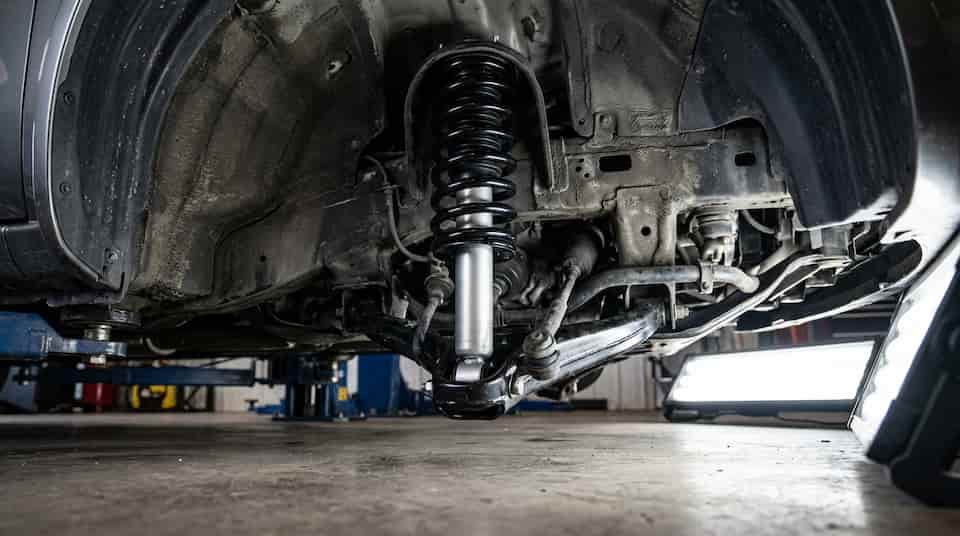
When your tire blows out, you will probably hear a loud boom or popping noise and feel your vehicle's weight shift. If the blown tire is one of the front ones, your vehicle will tend to steer toward that wheel due to the suspension geometry and lack of tire support. If the blowout occurs on the rear axle, your vehicle will tend to fishtail depending on where your front tires are pointed.
1. Remain Calm
Dealing with a tire blowout can be stressful, but staying calm is vital to your safety. Maintain a firm grip on the steering wheel and direct the car as steadily as you can without overreacting. Focus only on steering straight. For the moment, do not worry about braking or decelerating.
2. Maintain Your Direction
Avoid any sudden maneuvers that could throw your vehicle off balance. Keep the car as straight as you can, maintaining your intended path until you find a place to safely and slowly come to a stop. When you spot a stretch of road or a pull-off area, start to lift off the accelerator gently.
3. Come to a Stop Slowly
Your vehicle may already be decelerating naturally due to the increased friction from the remaining rubber and wheel contacting the pavement. Refrain from braking until you have reached roughly 25 miles per hour. Braking too early can cause your vehicle to shift direction or create other dangerous circumstances.
4. Assess the Situation
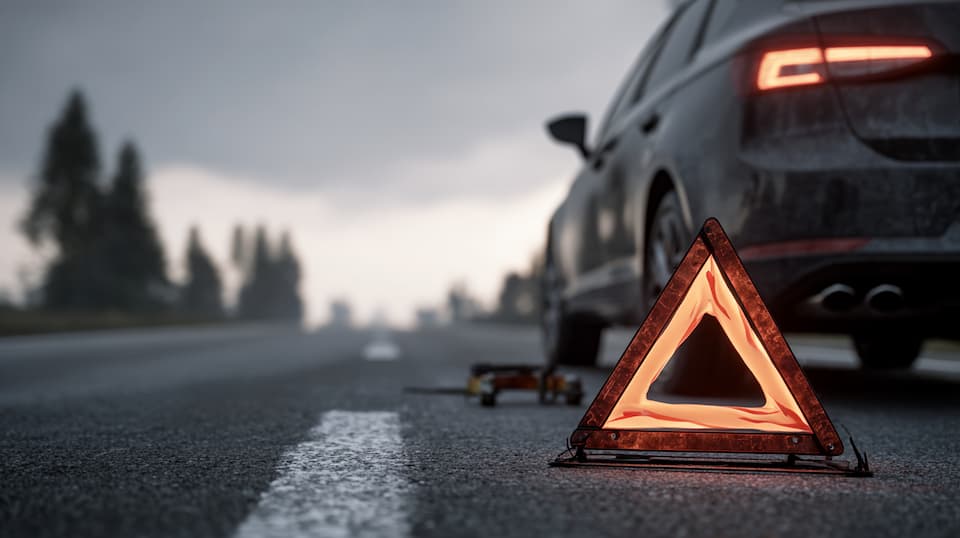
Once you come to a stop, avoid getting out of your vehicle right away. Take a moment to breathe and assess the situation. Turn on your hazard lights to alert other drivers of your presence.
5. Call for Help
If you are safely off the road, make sure you can exit your vehicle safely before getting out and surveying the blown tire. If you feel comfortable changing your tire and have ample space to do so safely, locate the spare and swap it for the blown tire. If the blown tire also damaged a suspension component or made your vehicle undrivable, call a tow truck.
How to Avoid Tire Blowouts
While a tire blowout can happen to any driver, you can reduce the risk significantly with proper tire maintenance and care. Here are six ways to help prevent a tire blowout:
- Check your tire pressure regularly. Verify your tire pressure on all four tires to make sure they are within the appropriate range and within a few pounds per square inch (PSI) of each other.
- Inspect your tires visually. Look for rips, cuts, chunks, or foreign debris embedded in the tire treads.
- Measure your tire tread depth. Use a penny or quarter to check tread depth, and replace your tires if the tread measures at or below 2/32 of an inch.
- Watch for road hazards. Stay alert for foreign objects on the road and avoid driving over them when possible.
- Rotate and balance your tires. Have your tires rotated and balanced on a regular schedule, replacing them in sets or all four at once if necessary.
- Keep your spare tire ready. Locate your spare tire and check its pressure regularly so it is inflated and ready to go when you need it.
Practice Your Tire-Changing Skills
A blown tire can be a nerve-wracking experience. Now that you know what to do if you have a tire blowout, you can approach the situation with a clearer head. Practice changing out your tires at home so your skills stay sharp if you ever need them on the road.
Frequently Asked Questions
Can you drive on a tire after a blowout?
No. Once a tire has blown out, the structural integrity of the rubber is compromised and it cannot be safely repaired or reused. Pull over as soon as you can do so safely and replace the blown tire with your spare, or call a tow truck if the damage extends beyond the tire itself.
What is the difference between a tire blowout and a flat tire?
A flat tire loses air gradually, often from a small puncture, and the tire itself usually stays intact enough to hold some air. A tire blowout is a sudden rupture where the sidewall or tread fails completely, causing rapid air loss. Flat tires can sometimes be patched, but a blown-out tire must be replaced.
How often should you check your tire pressure to prevent blowouts?
Check your tire pressure at least once a month and before any long road trips. Temperature changes can cause pressure to fluctuate, so checking regularly helps you catch underinflation before it leads to excessive heat buildup and potential tire failure.
If a tire blowout or road hazard causes body damage to your vehicle, Crash Champions can help get you back on the road. Find your nearest location to schedule a free estimate.
The information in this article is provided for educational purposes and may not reflect every situation. While we strive for accuracy, this content is general guidance, not a substitute for visiting your local collision repair provider. For questions about your specific vehicle or repair needs, contact your local Crash Champions team.