When to Replace Your Windshield
Your car's windshield is more than just a piece of glass. It plays a critical role in your vehicle's structural integrity, airbag deployment, and overall safety. Knowing when to repair a chip and when to replace the entire windshield can save you time, money, and stress on the road.
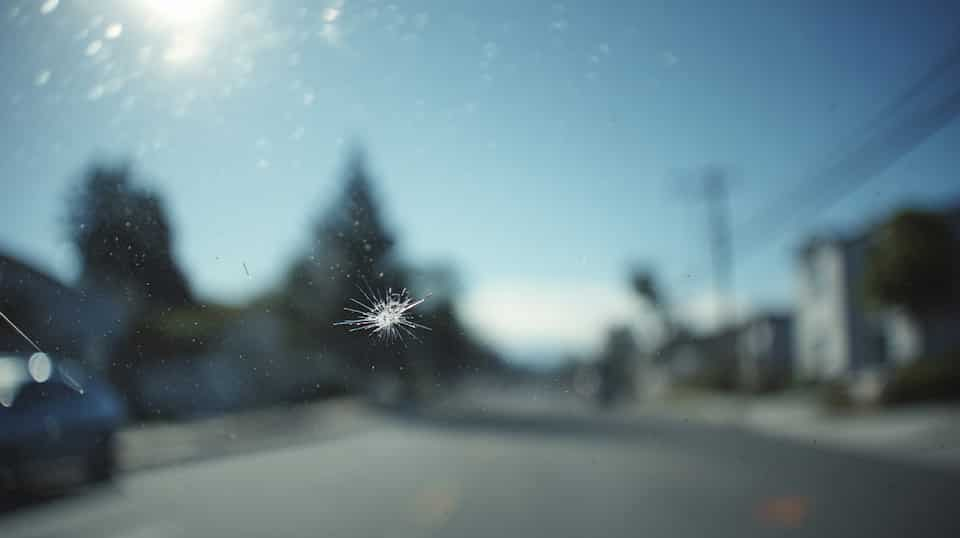
Types of Auto Glass Damage
Not all windshield damage looks the same, and the type of crack or chip you have determines whether you need a repair or a full replacement. Here are the most common types of auto glass damage:
- Stars, bull's eye, or half-moon: This type of damage can typically be fixed unless it is near the edge of the windshield. Whether a repair is possible also depends on the size and location of the chip.
- Long crack: Windshield cracks that extend beyond six inches generally cannot be repaired. They are often caused by drastic temperature differences and require replacing the entire windshield.
- Edge crack: An edge crack can occur if force or pressure is applied to the structure around the windshield. Improper windshield installation can also cause this type of crack.
- Stress crack: These cracks are similar to edge cracks because they occur due to external stress applied to the windshield. Stress cracks are common in older vehicles and may require a replacement depending on their severity.
Although you can technically drive with a cracked windshield, you risk the damage spreading with continued use. Most windshields are made from laminated glass, a type of safety glass designed to hold together rather than shatter on impact. Most car side and rear windows, by contrast, are made from tempered glass, which is engineered to break into small, rounded fragments when compromised.
When to Replace Your Windshield
You should replace your windshield if it has multiple cracks, a crack that stretches across the full width or height of the glass, or damage that caused you to fail a safety inspection. Many states and insurance companies require drivers to pass a safety inspection before registering or insuring a vehicle, and these inspections require a windshield free from dangerous cracks and obstructions.
When to Repair Your Windshield
If your windshield has a single star, bull's eye, or half-moon chip, you may not need a full replacement. A professional repair can stop the chip or crack from spreading, extend the life of your windshield, and give you more time before a full replacement becomes necessary.
Where to Get Your Windshield Replaced
When shopping for windshield replacement, it helps to understand the types of glass available. When you call for an estimate, ask what type of glass will be used. It should fall into one of the following categories:
- Dealer glass: This type is sold by dealers authorized to service brand-specific vehicles. For example, Ford has its own dealer glass, separate from what Ram, Chevrolet, or GMC uses.
- Original Equipment Manufacturer (OEM): Similar to dealer glass, OEM glass matches what was originally installed in your vehicle. It may or may not have the same characteristics as the dealer equivalent.
- Aftermarket: Aftermarket glass comes from manufacturers with strong ties to the original manufacturers. It tends to be the most affordable option while still carrying a valuable warranty.
You can typically identify the type of glass by the logo stamped on one of the edges. If the logo matches the factory glass installed in your car, it is probably dealer or OEM glass. Otherwise, it is likely an aftermarket option.
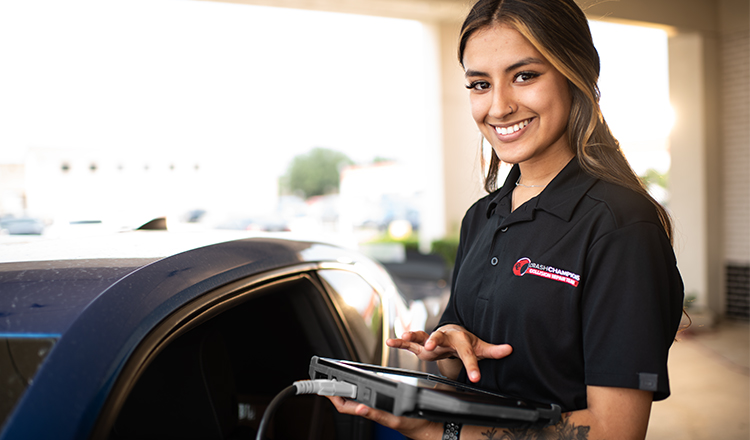
Many windshield service providers also offer mobile options and can come to your location if needed. This flexibility can make it easier to coordinate a repair or replacement, especially if you have a busy schedule. Technicians will also typically perform any necessary calibrations required after replacing the windshield, such as for rain-sensing wipers or Advanced Driver Assistance Systems (ADAS), the camera- and sensor-based safety features built into many modern vehicles.
Paying for Windshield Replacement
Replacing a windshield can cost around $300 or more. Final costs depend on the type of vehicle you drive and the kind of windshield you need. Some modern vehicles require windshields that integrate with various safety systems, such as those that use forward-facing cameras to power features like automatic emergency braking and lane departure warnings.
If you have glass coverage through your car insurance carrier, you may be able to use it to offset the cost. Most glass coverage comes with a deductible you must meet before your insurance company covers the rest. However, using your glass coverage may not be worthwhile if the replacement cost comes in under your deductible amount.
What to Do After Windshield Replacement
Once your windshield has been replaced, inspect the edges to make sure the fit is snug and secure. You should not see any cracks or gaps between the glass and the frame. If you hear a whooshing noise while driving, air may be getting between the windshield and the vehicle's interior, which could indicate improper installation. Most reputable shops offer warranties on their work, so contact your provider if you notice any issues.
After a fresh replacement, be mindful of driving behind large vehicles and keep a safe following distance with all traffic. While some degree of windshield wear is inevitable over time, careful driving habits can help extend the life of your new glass.
Frequently Asked Questions
Can you drive with a cracked windshield?
You can technically drive with a cracked windshield, but it is not recommended. Cracks can spread quickly due to temperature changes, road vibration, or additional impacts, and they may obstruct your line of sight. A damaged windshield also compromises your vehicle's structural integrity, which can affect airbag deployment in a collision.
How much does windshield replacement cost?
Windshield replacement typically starts around $300, but the final cost depends on your vehicle's make and model and the type of glass you choose. Vehicles with ADAS features may cost more because additional sensor calibration is required after installation. Check with your insurance carrier to see if you have glass coverage that can help offset the expense.
Can a cracked windshield be repaired instead of replaced?
Small chips and cracks, such as stars, bull's eyes, or half-moons, can often be repaired if they are smaller than six inches and not located near the edge of the glass. A professional repair stops the damage from spreading. However, if the crack is long, deep, or in your direct line of sight, a full replacement is the safer option.
Protect Your Safety With Professional Windshield Service
If your windshield has a crack, chip, or other damage, Crash Champions offers professional windshield repair and replacement to restore your glass to a safe, secure condition. Find your nearest Crash Champions location to schedule a free estimate.
The information in this article is provided for educational purposes and may not reflect every situation. While we strive for accuracy, this content is general guidance, not a substitute for visiting your local collision repair provider. For questions about your specific vehicle or repair needs, contact your local Crash Champions team.