Why Is My Car Overheating?
Your car's engine needs to stay within a specific temperature range to run properly. When something goes wrong with the cooling system, temperatures can climb quickly and cause serious damage. Understanding the most common causes of an overheating engine can help you take action before a minor issue turns into a costly repair.
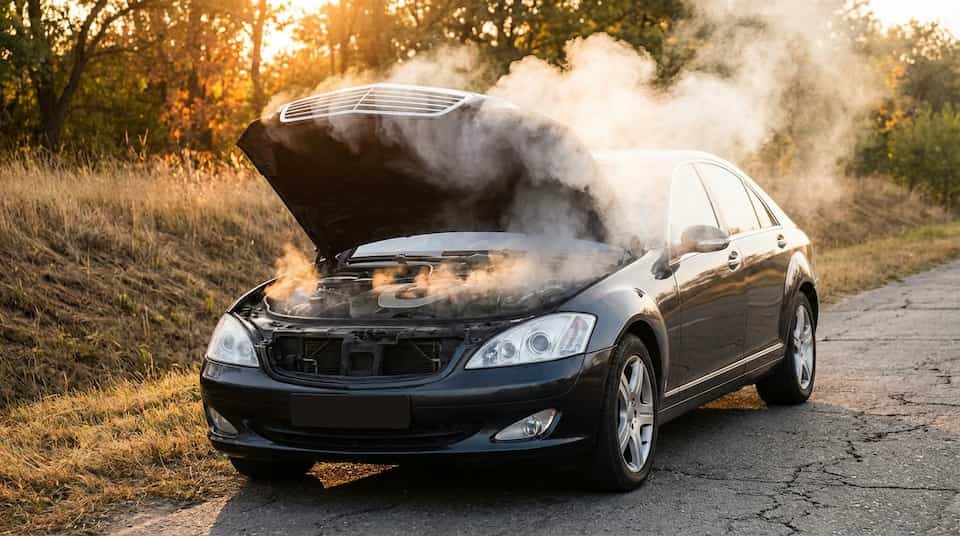
Why Do Cars Overheat?
Cars overheat when the engine's cooling system can no longer regulate temperature effectively. Your engine creates the energy needed to power your car and, in the process, generates large amounts of heat. The ignition sequence inside the combustion chambers involves small, controlled explosions, so a reliable cooling system is essential to keep temperatures in check.
When that cooling system fails, heat builds faster than the engine can handle. A lack of coolant or cooling power is the most common cause, though low engine oil can also contribute. Overheating is not necessarily a result of driving at high speeds. It happens when the engine operates at too high a temperature for too long.
Signs of an Overheated Engine
You will likely notice the warning signs quickly if your engine is overheating. Watch for these common indicators:
- A high temperature gauge reading
- Illuminated dashboard warning lights
- Constant engine ticking or knocking sounds
- Decreased engine power
- Steam escaping from beneath the hood
- A sweet chemical smell near the engine
If you notice any of these signs, do not continue driving. Pull over safely and let the engine cool before taking the next steps outlined below.
Common Causes of an Overheating Engine
Your car's engine can overheat during the warmest months of the year, but cold weather does not make you immune. If you are concerned about your car overheating, understanding the following causes can help you prevent the problem before it starts.
Low or Incorrect Coolant
Low coolant is one of the most frequent reasons a car overheats. Your cooling system depends on the right amount of coolant to transfer heat away from the engine. When the level drops too low, the system works harder and loses its ability to cool effectively. Using the wrong type of coolant or an incorrect mixture ratio can cause similar problems.
Coolant System Leak
If your coolant level keeps dropping, check beneath the vehicle for leaks. Larger leaks are easy to spot, but pinhole leaks can be just as damaging to your cooling system over time. Pay close attention to the areas where hoses connect to components like the water pump (the part that circulates coolant through the engine) or the radiator.
Faulty Thermostat
Your car's thermostat is a valve that opens and closes to control when coolant flows through the engine. It opens at a specific temperature to allow coolant to circulate and remove heat. If the thermostat opens or closes at the wrong time, the cooling system cannot operate efficiently, and temperatures can spike.
Clogged or Damaged Radiator
After coolant absorbs heat from the engine, it passes through the radiator to cool down before recirculating. The radiator relies on a fan and the natural airflow created as you drive to pull heat from the coolant. If the radiator fins are cracked, clogged, or otherwise damaged, the coolant does not cool properly, and the engine temperature rises.
Broken Water Pump
The water pump pressurizes and circulates coolant through the entire cooling system. If the water pump fails, coolant stops flowing and heat builds rapidly in the engine. Water pump failure can also stem from a worn pulley or serpentine belt (the belt that drives the pump and other engine accessories).
Damaged Cooling Fan
Your car has an electric cooling fan located between the radiator and the engine. This fan activates when the radiator needs an extra boost of airflow to lower the coolant temperature. If the fan fails to turn on when prompted by the thermostat or does not spin at full speed, the coolant stays too hot, and the engine can overheat.
Low Engine Oil
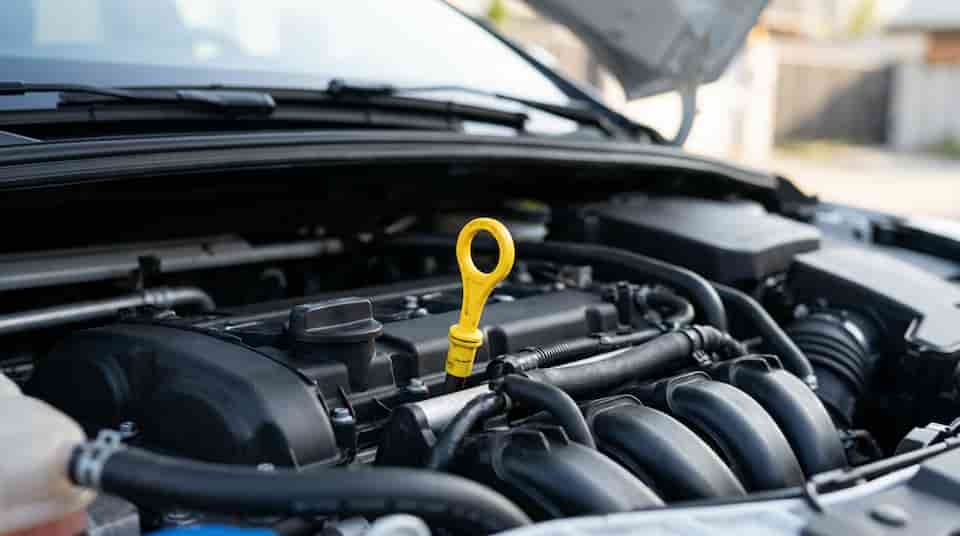
Low engine oil does not cause overheating in the same way as low coolant, but the consequences can be just as severe. Oil lubricates the moving parts inside your engine. Without enough oil, friction between those components increases dramatically, generating excess heat and potentially leading to engine failure.
Aged or Loose Hoses and Belts
The serpentine belt turns the water pump, making it a critical part of the cooling system. Over time, belts lose their suppleness and can crack or slip. The same applies to rubber hoses that route coolant through the engine bay. Even if the hoses and belts are intact, the clamps that secure them can loosen over time and allow coolant to leak or pressure to drop.
Blown Head Gasket
A blown head gasket is one of the most serious causes of overheating. The head gasket seals the engine block from the cooling passages. When it fails, coolant can leak into the combustion chamber, leading to rapid engine damage. If you suspect a head gasket issue, have your vehicle inspected immediately to avoid further damage.
What to Do if Your Engine Overheats
If your engine overheats, acting quickly can help minimize the damage. Follow these steps:
- Pull over safely. As soon as a warning light appears on your dashboard or you see steam coming from under the hood, find a safe place to stop.
- Turn off the engine. Let the engine cool for several minutes before opening the hood to allow airflow.
- Do not remove the radiator cap. The cooling system is pressurized, and extremely hot coolant can spray out and cause serious burns.
- Call for a tow. Even if the engine seems to cool down, have your vehicle towed to a repair shop. Driving an overheated engine, even a short distance, can cause additional damage.
If you catch the problem early enough, you can often minimize the damage. A qualified technician can assess the extent of the issue and identify what caused the overheating in the first place.
Prevent Your Car From Overheating
Under normal conditions, a well-maintained engine should not overheat. However, mechanical parts wear down, and problems can develop without warning. You can reduce your risk of overheating by performing routine maintenance, checking coolant levels regularly, and watching the temperature gauge while you drive. Catching a small issue early is always less expensive than repairing major engine damage.
Frequently Asked Questions
Can you drive a car that is overheating?
You should not drive a car that is overheating. Continuing to drive can cause severe engine damage, including a cracked engine block or blown head gasket. Pull over safely, turn off the engine, and have the vehicle towed to a repair professional.
How much does it cost to fix an overheating car?
The cost depends on the cause. A simple fix like replacing a thermostat or topping off coolant is relatively inexpensive, while a blown head gasket or water pump replacement can be more costly. Getting the problem diagnosed early helps you avoid the most expensive repairs.
How often should you check your coolant level?
Check your coolant level at least once a month and before any long road trip. Your owner's manual will specify the recommended coolant type and replacement intervals for your vehicle. Keeping coolant at the proper level is one of the simplest ways to prevent overheating.
If your vehicle has been in a collision and you are concerned about cooling system damage, the team at Crash Champions can help. Find your nearest Crash Champions location to schedule a free estimate.
The information in this article is provided for educational purposes and may not reflect every situation. While we strive for accuracy, this content is general guidance, not a substitute for visiting your local collision repair provider. For questions about your specific vehicle or repair needs, contact your local Crash Champions team.